 Week of September 13 · Calgary
Worth stepping outside for
Happening now
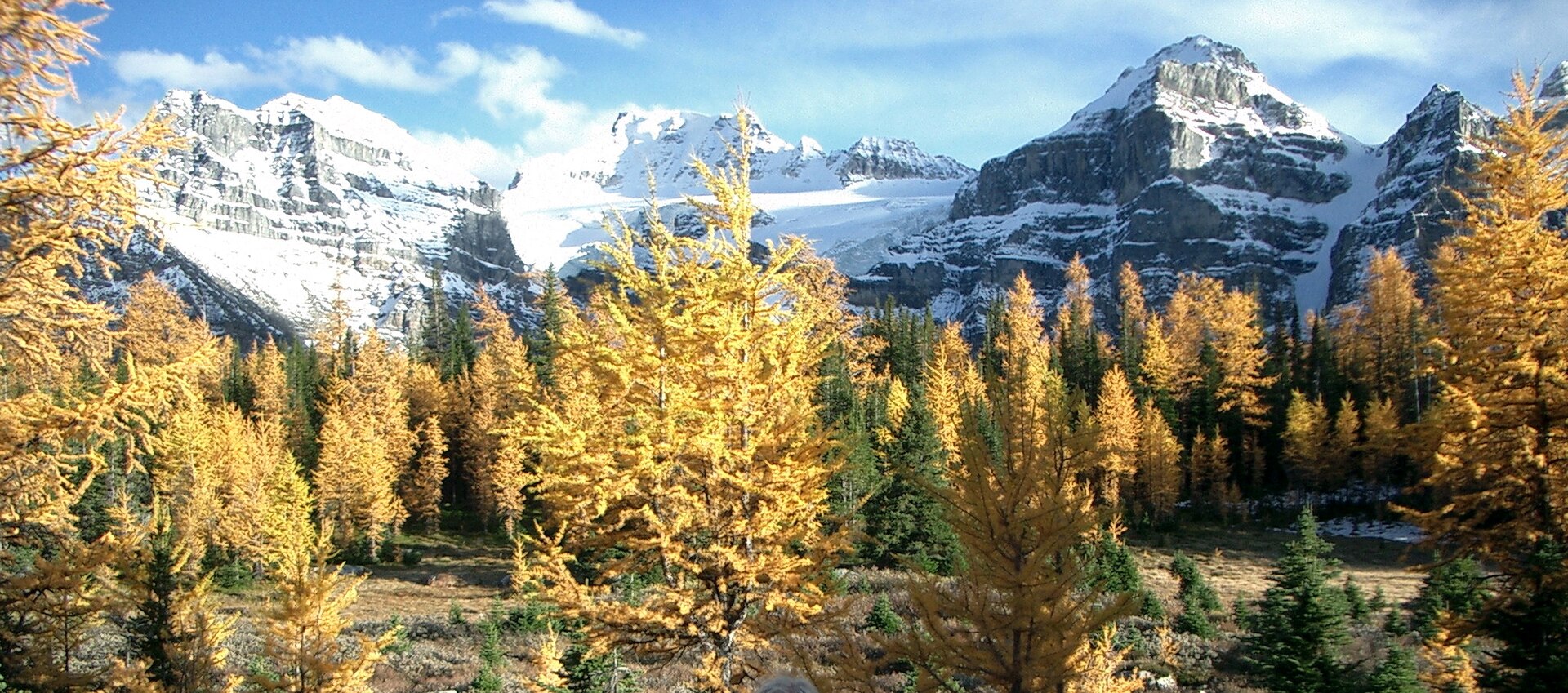
The larches turn gold
For a few weeks each fall the high slopes turn yellow and then gold, and the trees doing it are conifers. Subalpine larch is the one needled tree up there that drops everything, and that surrender is why it can live where it does. Holding needles through an alpine winter means losing water you cannot replace while your roots are frozen, so the larch stops trying. The trade buys ground no evergreen can hold, and larches stand in pure groves above the last spruce and fir, in country that would otherwise be bare tundra. They get old doing it, with one Alberta specimen ring-counted at 838 years. The gold does not linger, so go the week you hear it has started.
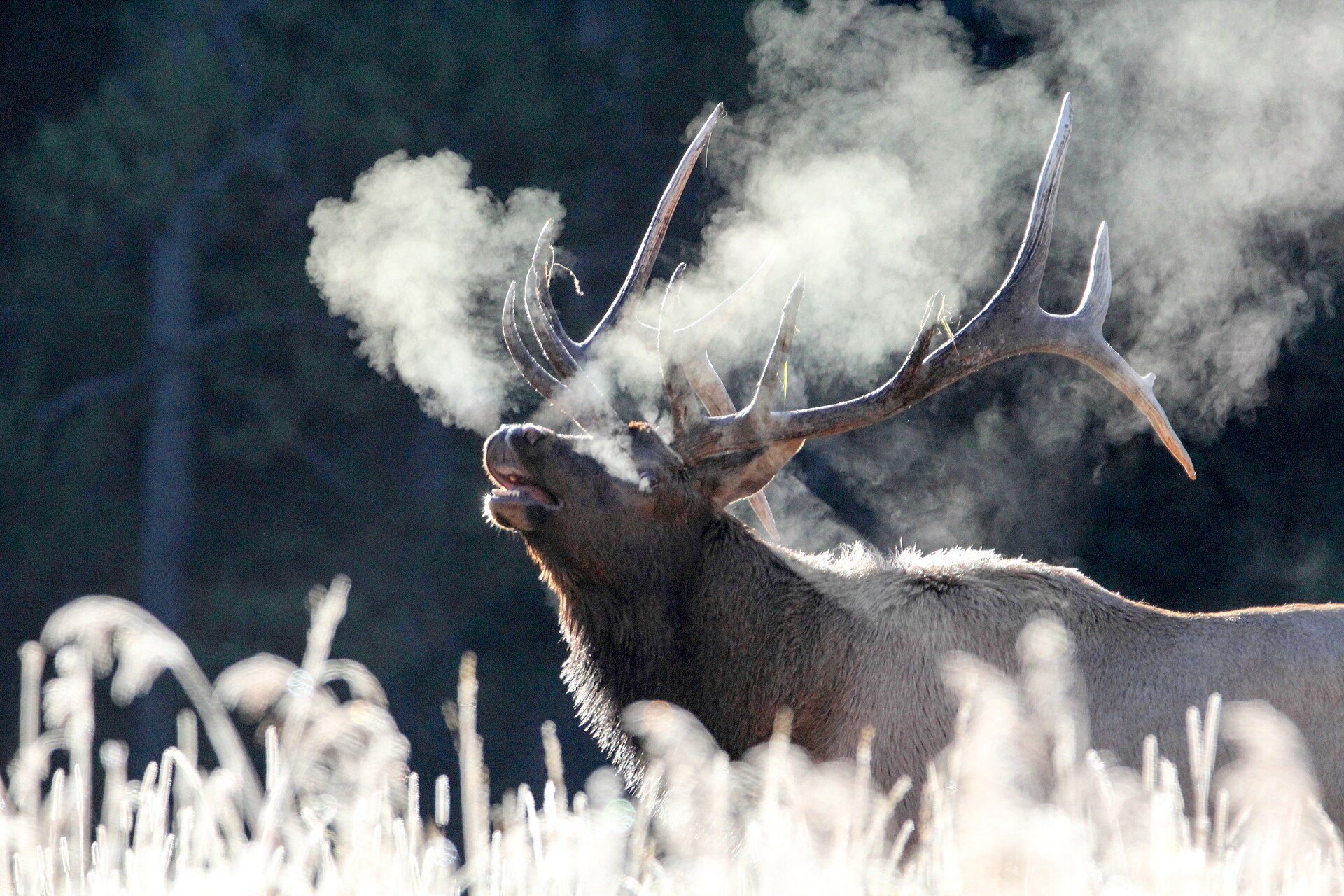
The elk have started bugling
From the first days of September the mountain valleys start to echo. Bull elk are in rut, and the bugle is how a bull advertises himself: a low bellow that climbs into a thin, carrying whistle and then falls away into a run of grunts. It is an odd sound to come out of a 300 kg animal, and the reason is that he is making two sounds at once. Researchers who recorded wapiti bugles found two independent sound sources inside a single call, a low roar near 145 Hz and a whistle above 1400 Hz, and suggested the low part advertises his size to rivals nearby while the high part carries his presence down the length of the valley. Bugling peaks through late September and is mostly finished by the middle of October.
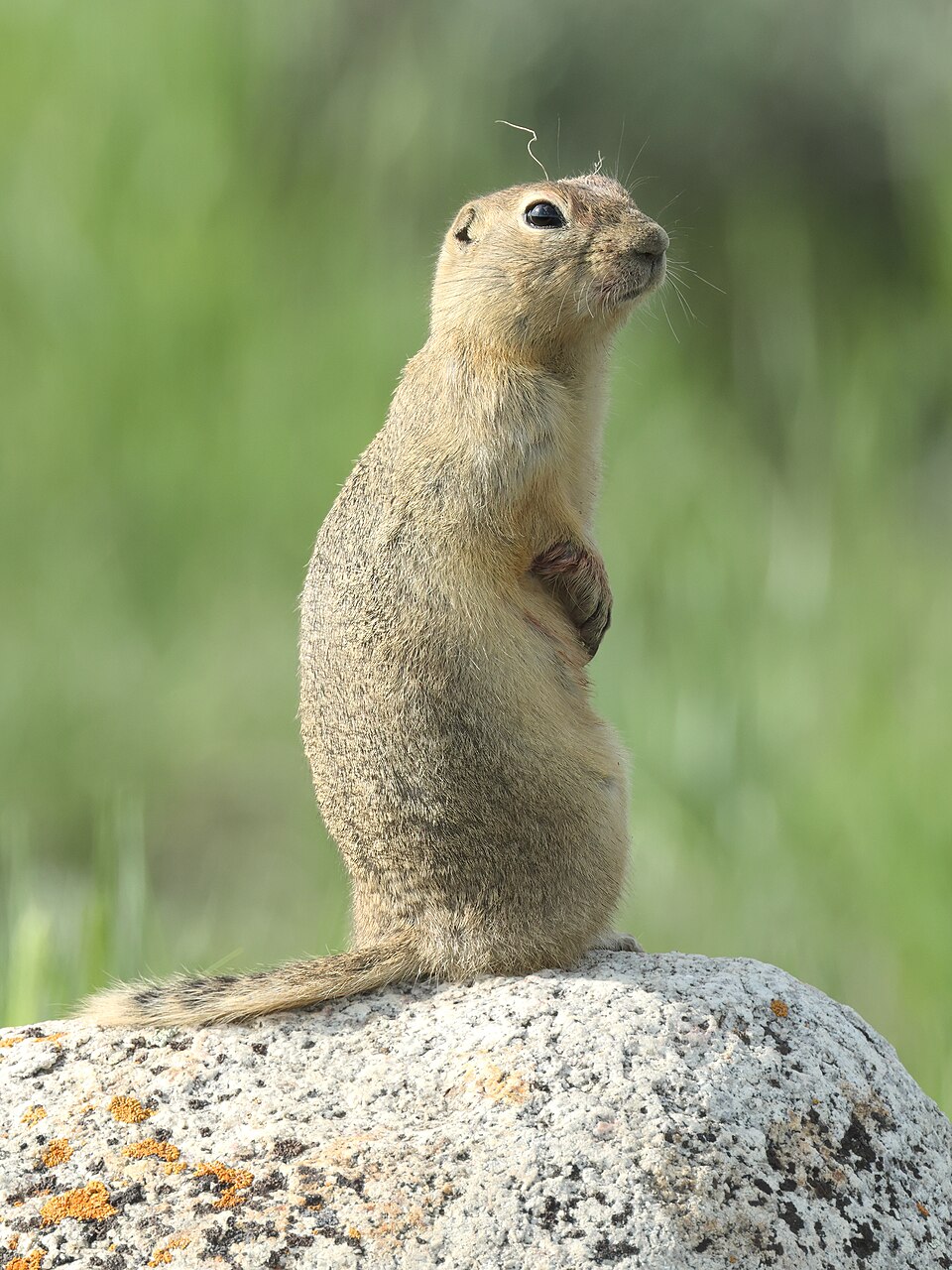
The gophers are disappearing
If the gopher colonies around the city seem quieter than in June, you're not imagining it. Adult Richardson's ground squirrels are already underground for the year. Many begin hibernation in July and August, more than seven months before they'll surface again. The ones still out there are mostly this year's young, eating hard against the clock.
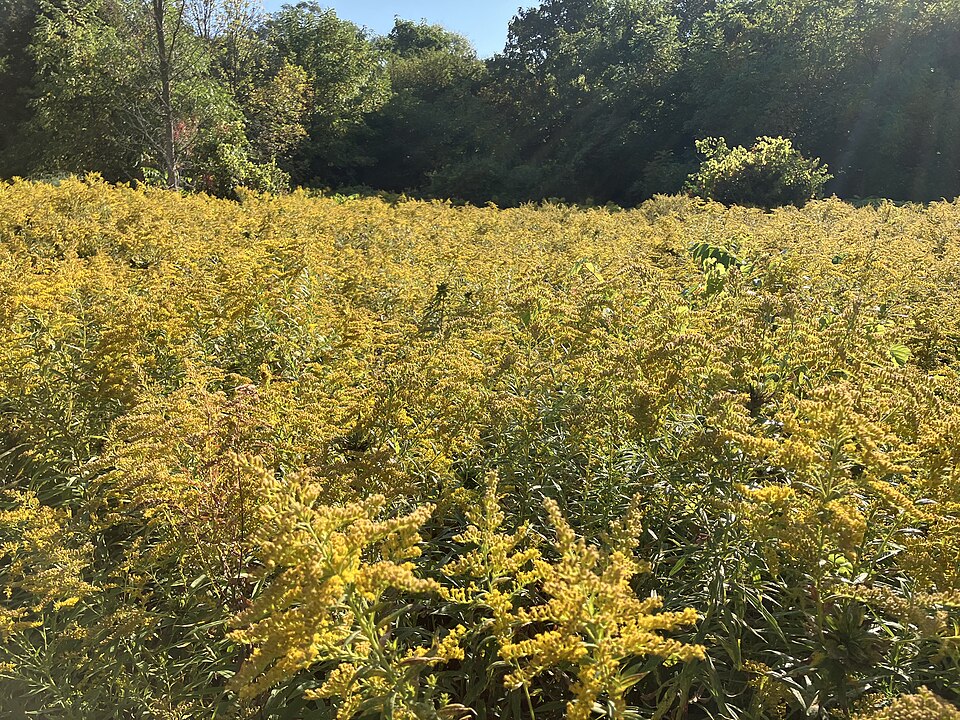
Goldenrod is at peak
The prairie's big yellow finale is on. Goldenrod is peaking in ditches, field edges, and every unmowed corner of the city. And no, it isn't what's making you sneeze: its pollen is heavy and insect-carried, not wind-blown. Stand near a patch for one minute and count the traffic. Bees, hover flies, soldier beetles, late butterflies, all fueling up as summer winds down.
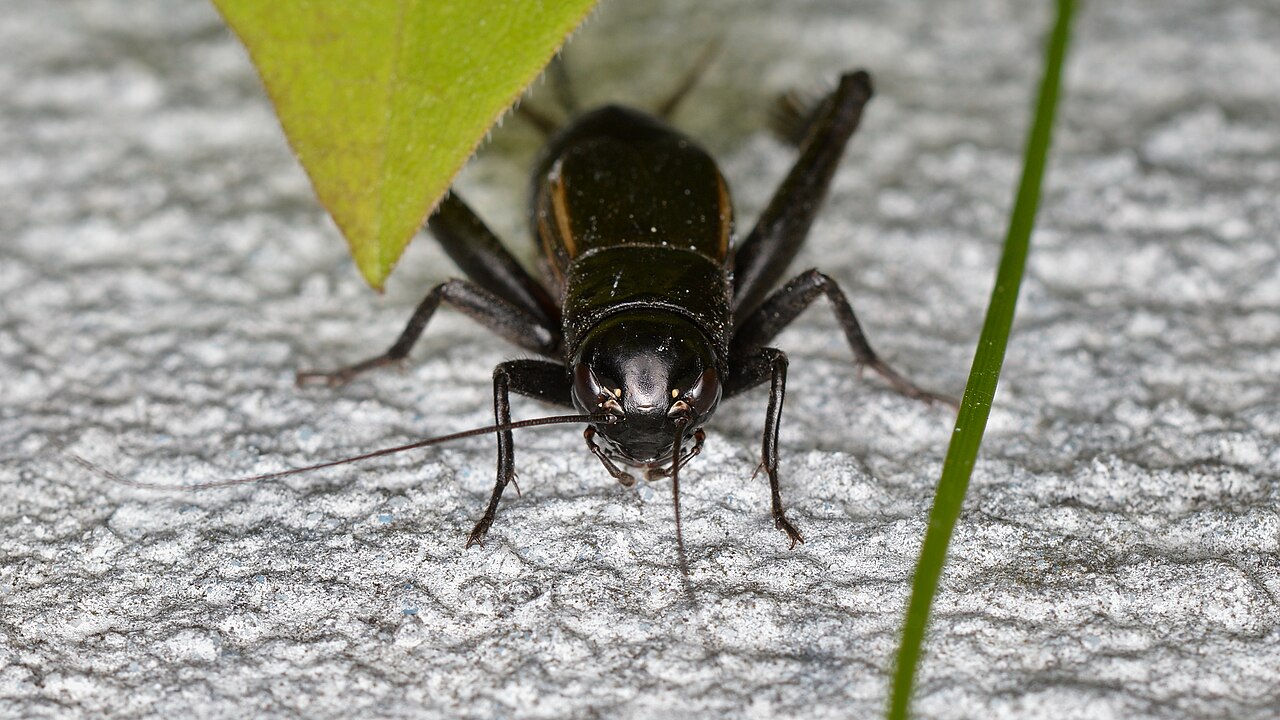
The crickets have started
That steady evening chirp that wasn't there in July? Fall field crickets have begun, the defining sound of late summer on the prairie. They come with a party trick: crickets chirp faster in warm air. Count the chirps in eight seconds, add five, and you're close to the temperature in Celsius. (The classic formula was worked out for tree crickets, but field crickets keep rough time too.)
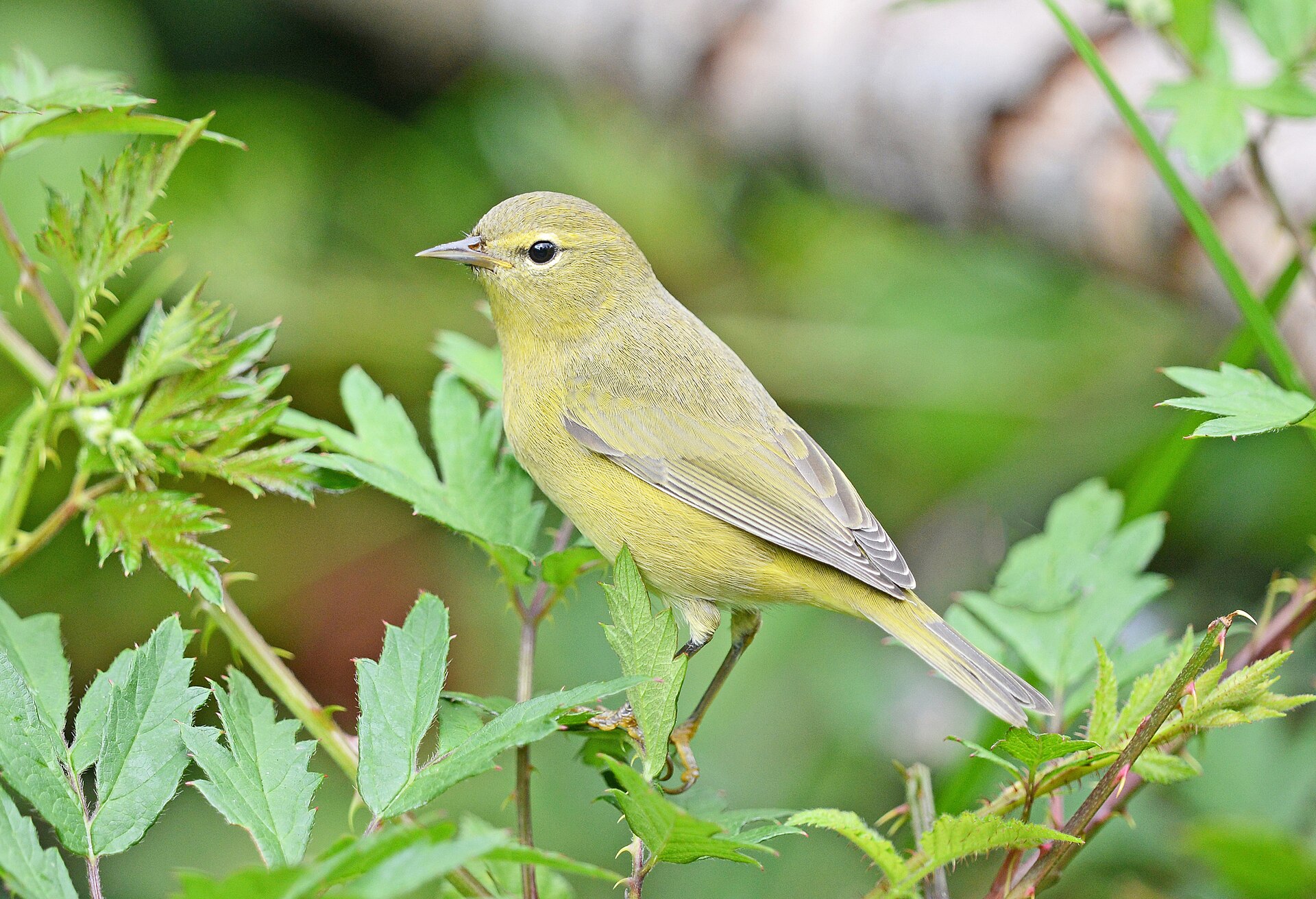
Warblers are moving through
Small greenish birds are working through the willows and the garden shrubs right now, flicking branch to branch and almost never holding still. These are warblers heading south, and most of them fly at night, which is why a thicket that was empty yesterday can be busy at first light. There's no song to go by in autumn, and the birds have traded their spring colours for a dull yellow green that even experienced birders give up on naming. That is the freeing part, because you don't have to know which one it is to know that migration is happening in your hedge. By early October the shrubs go quiet again.
Also this week
tap for the full story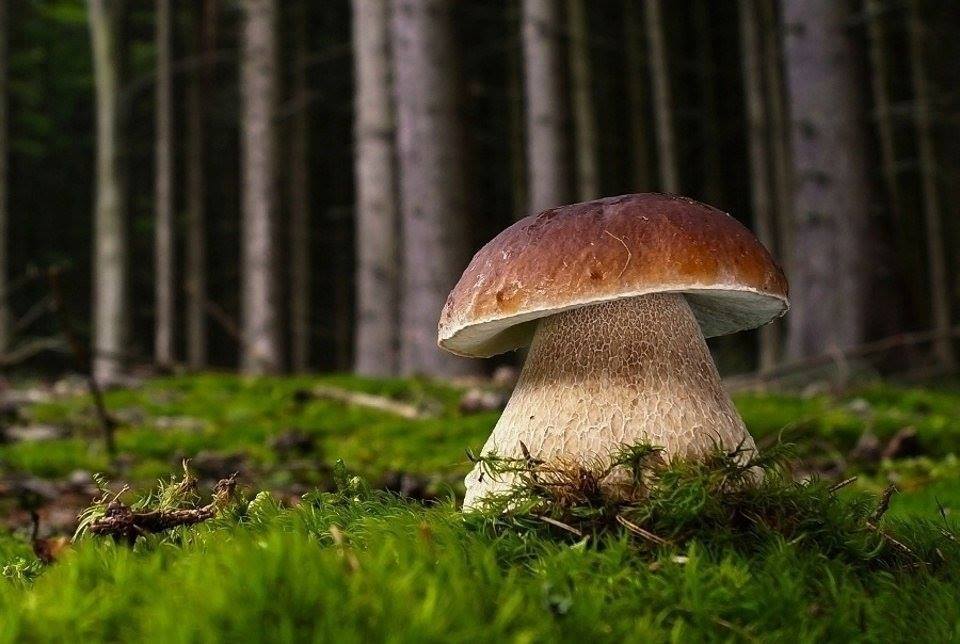
Mushroom season is warming up
Not much has landed since the start of the month. Rain is forecast early in the week, and a real soak with warm days behind it is what turns this card on
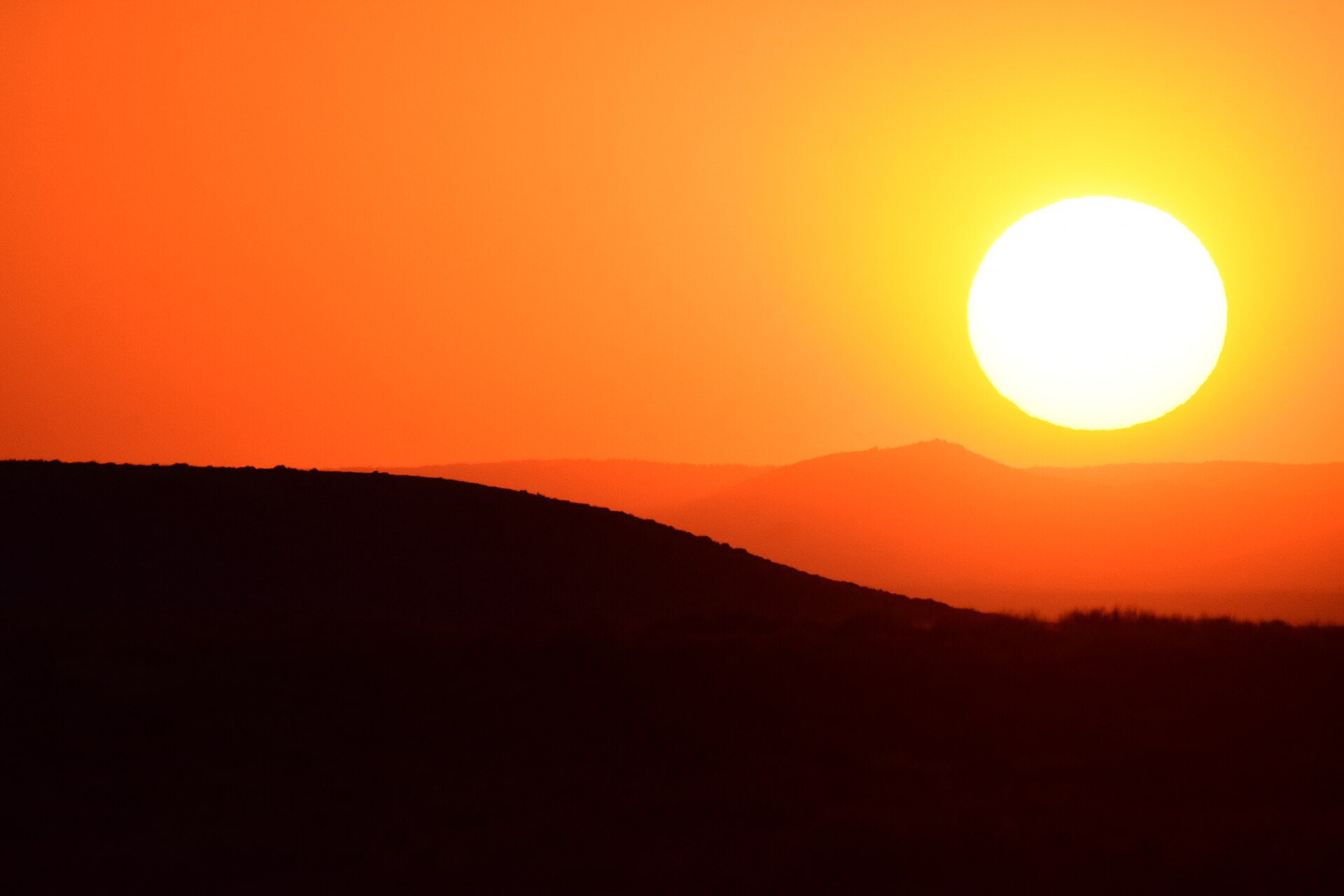
The sun sets before eight now
Another quarter hour goes this week. Sunset reaches 7:40pm by Saturday, and the evenings are giving up more of it than the mornings
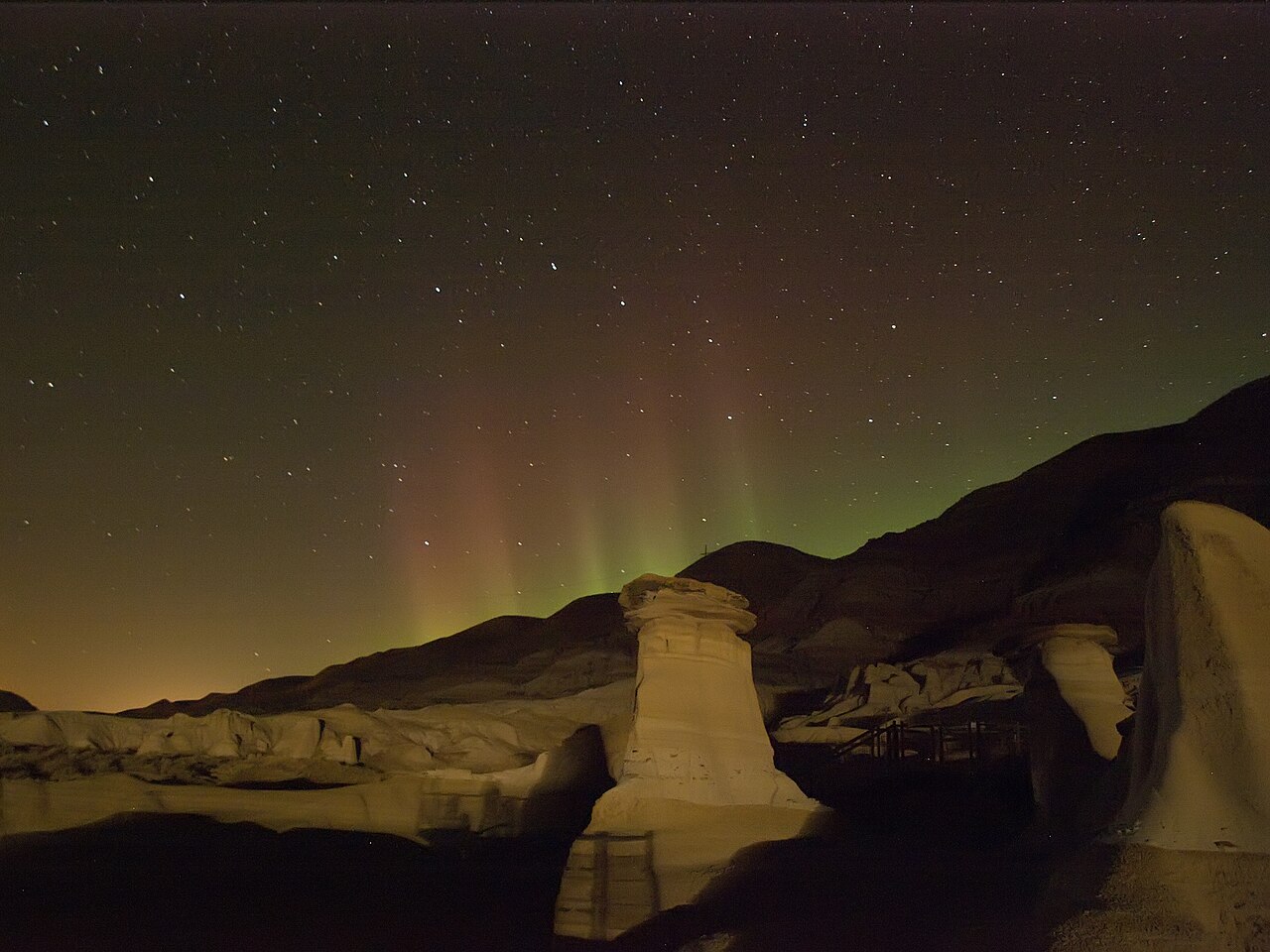
Aurora season is reopening
Quiet so far, and the moon is back. It grows to a half by Friday, so the darkest hours move later as the week goes on