 Week of September 20 · Calgary
Worth stepping outside for
Happening now
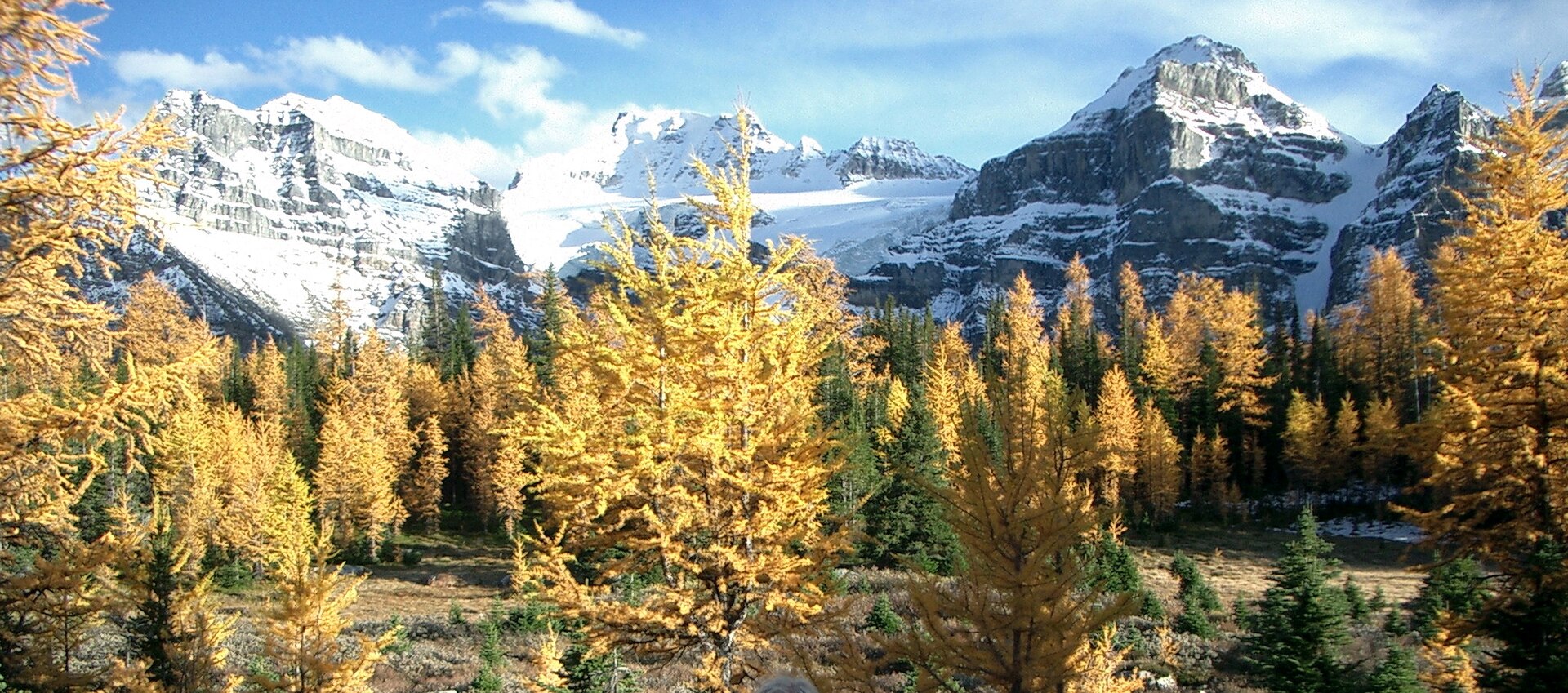
The larches turn gold
For a few weeks each fall the high slopes turn yellow and then gold, and the trees doing it are conifers. Subalpine larch is the one needled tree up there that drops everything, and that surrender is why it can live where it does. Holding needles through an alpine winter means losing water you cannot replace while your roots are frozen, so the larch stops trying. The trade buys ground no evergreen can hold, and larches stand in pure groves above the last spruce and fir, in country that would otherwise be bare tundra. They get old doing it, with one Alberta specimen ring-counted at 838 years. The gold does not linger, so go the week you hear it has started.
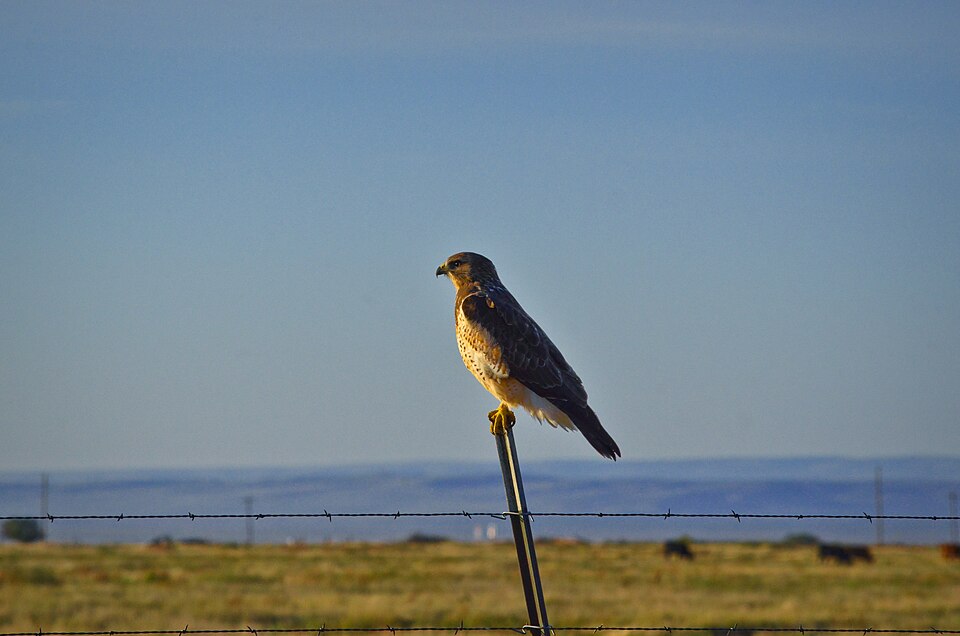
Swainson's hawks are gathering
Southern Alberta's summer hawk is starting to flock up. Before leaving, Swainson's hawks switch to a grasshopper diet and gather on fence lines and fresh-cut fields, stocking up for one of the longest migrations of any raptor: roughly 10,000 km to the grasslands of Argentina. Over the next few weeks the groups grow into swirling kettles. Then, one day in September, the sky is simply empty of them.
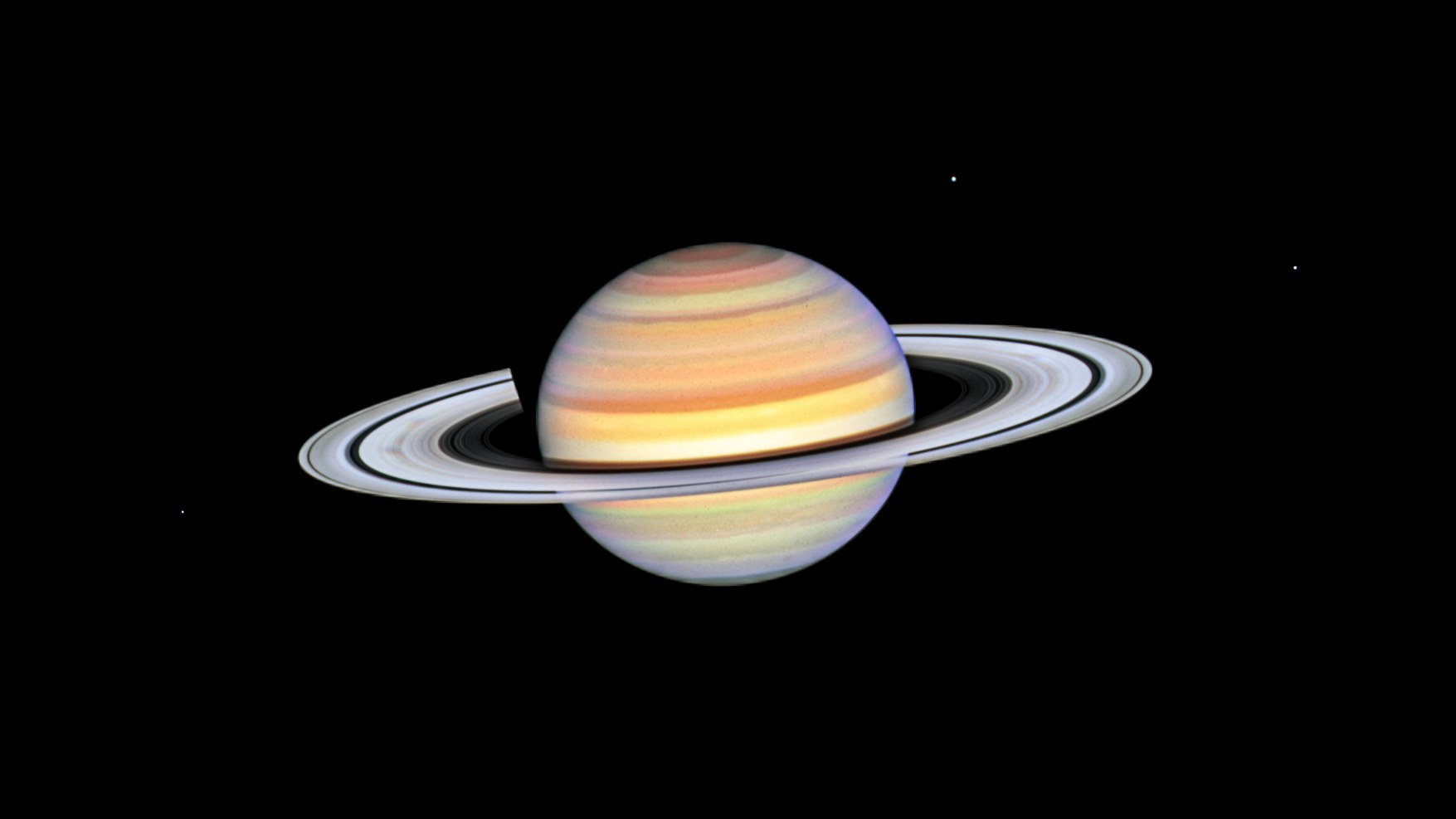
That bright light is Saturn
That steady, pale gold light low in the east after dark is not a star. It's Saturn, and for the next few weeks it rises a little earlier every evening, until it comes up in the east just as the sun goes down in the west. It's called an opposition, when Earth sits on the line between Saturn and the sun, and the planet stays visible all night, as close and bright as it gets all year. Close is relative: the light you are looking at left Saturn a little over an hour ago. To the eye it is just a point, but it is a point with rings, and any small telescope will show them.
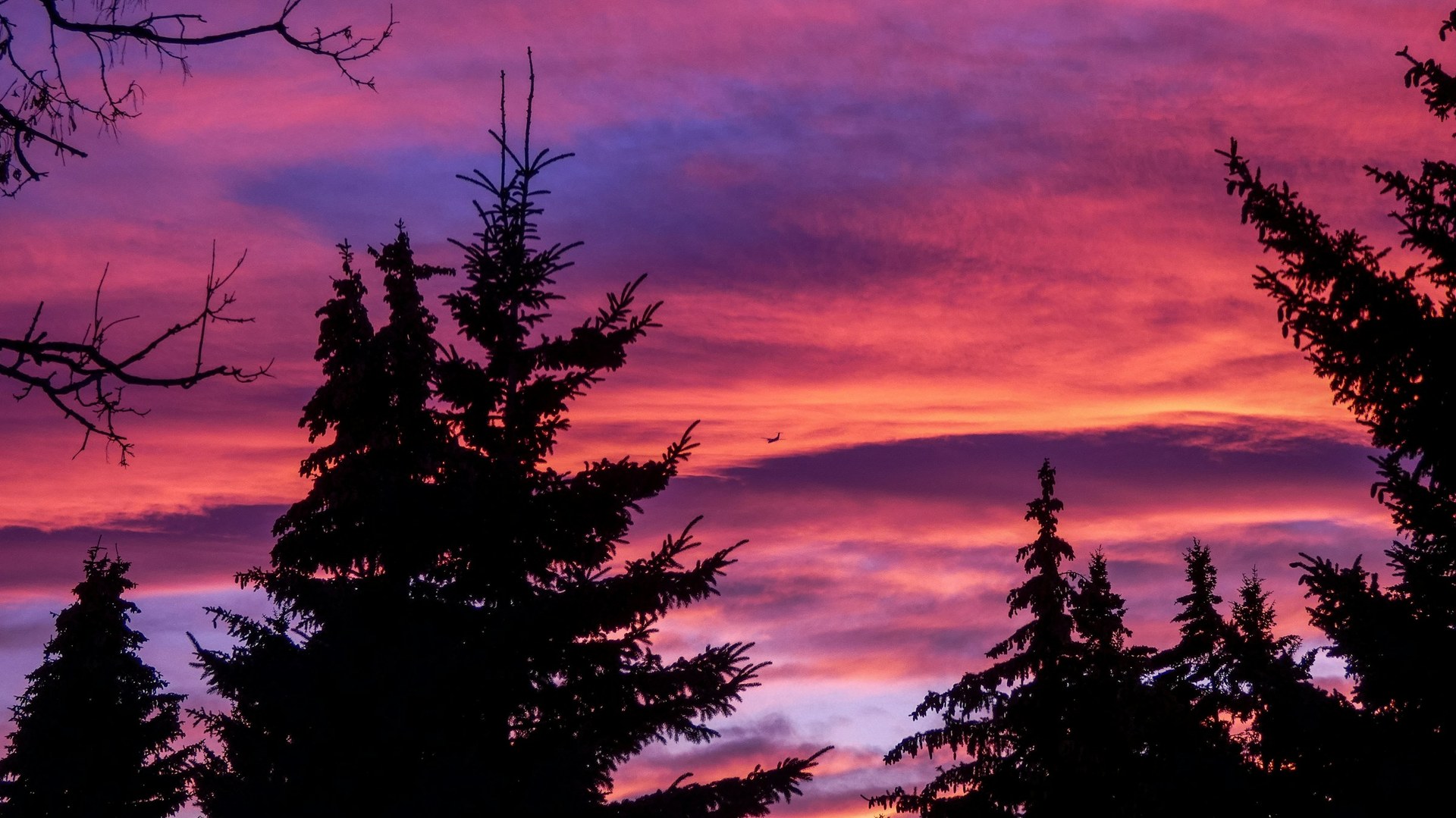
The night is longer now
September 25 is the first night since spring that is longer than the day, and it happens a few days later than the fall equinox. The moment the sun crosses the equator on September 22 is the real halfway point but we measure a day generously at both ends, which pushes the split between day and night later than the true equinox. Sunrise is timed from the instant the sun's top edge appears rather than the middle of it, and the atmosphere bends light over the horizon, so the sun is visible for a few minutes before it has truly risen and again after it has truly set. Between those two, they add about ten minutes of daylight to every date on the calendar, enough to keep the days longer than the nights for a few days after the equinox. At the equator those two effects always add more time, so the day there is never shorter than the night.
Also this week
tap for the full story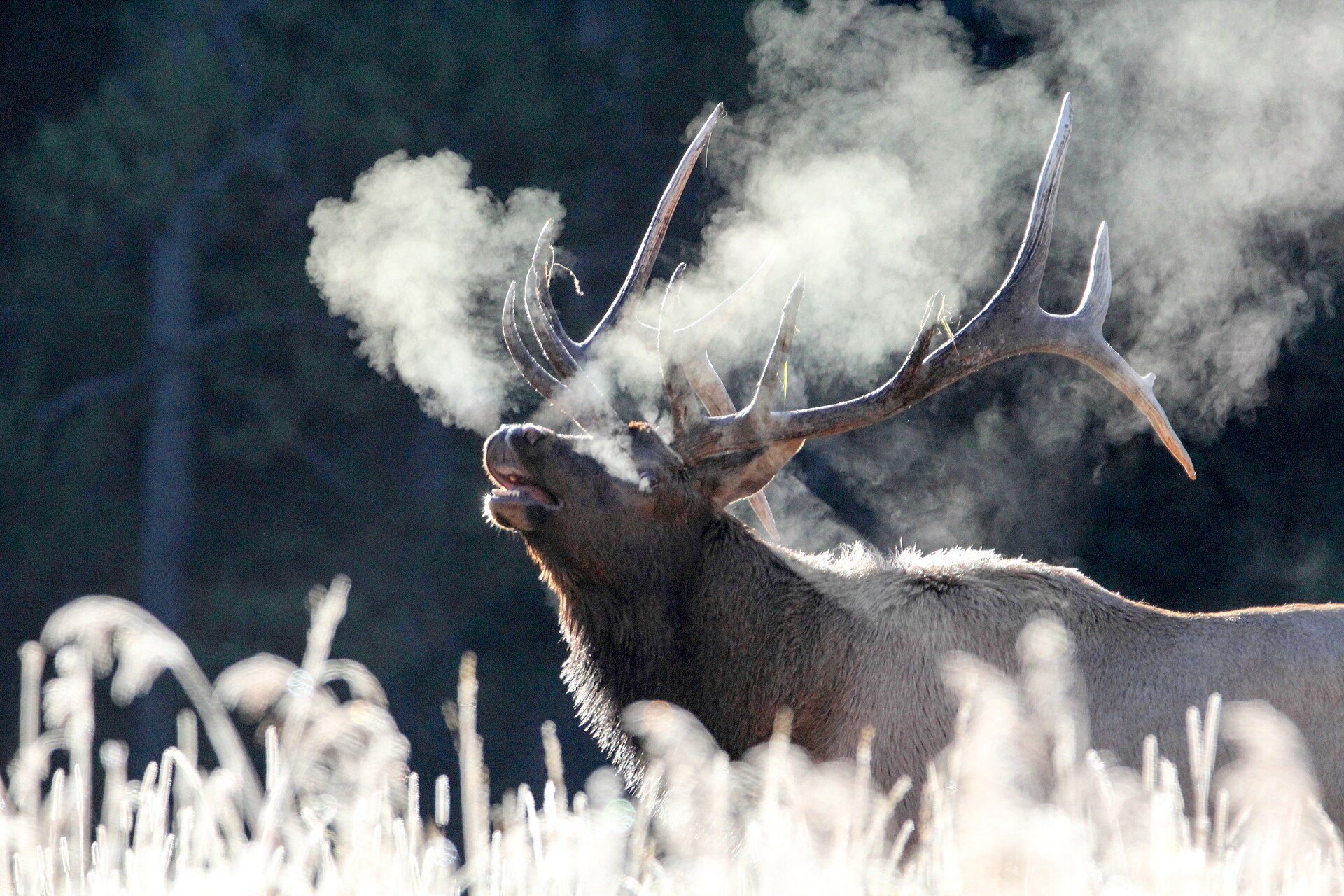
The elk have started bugling
The rut is at full volume and stays there into early October. With warm afternoons this week, first light is when the valleys are loudest
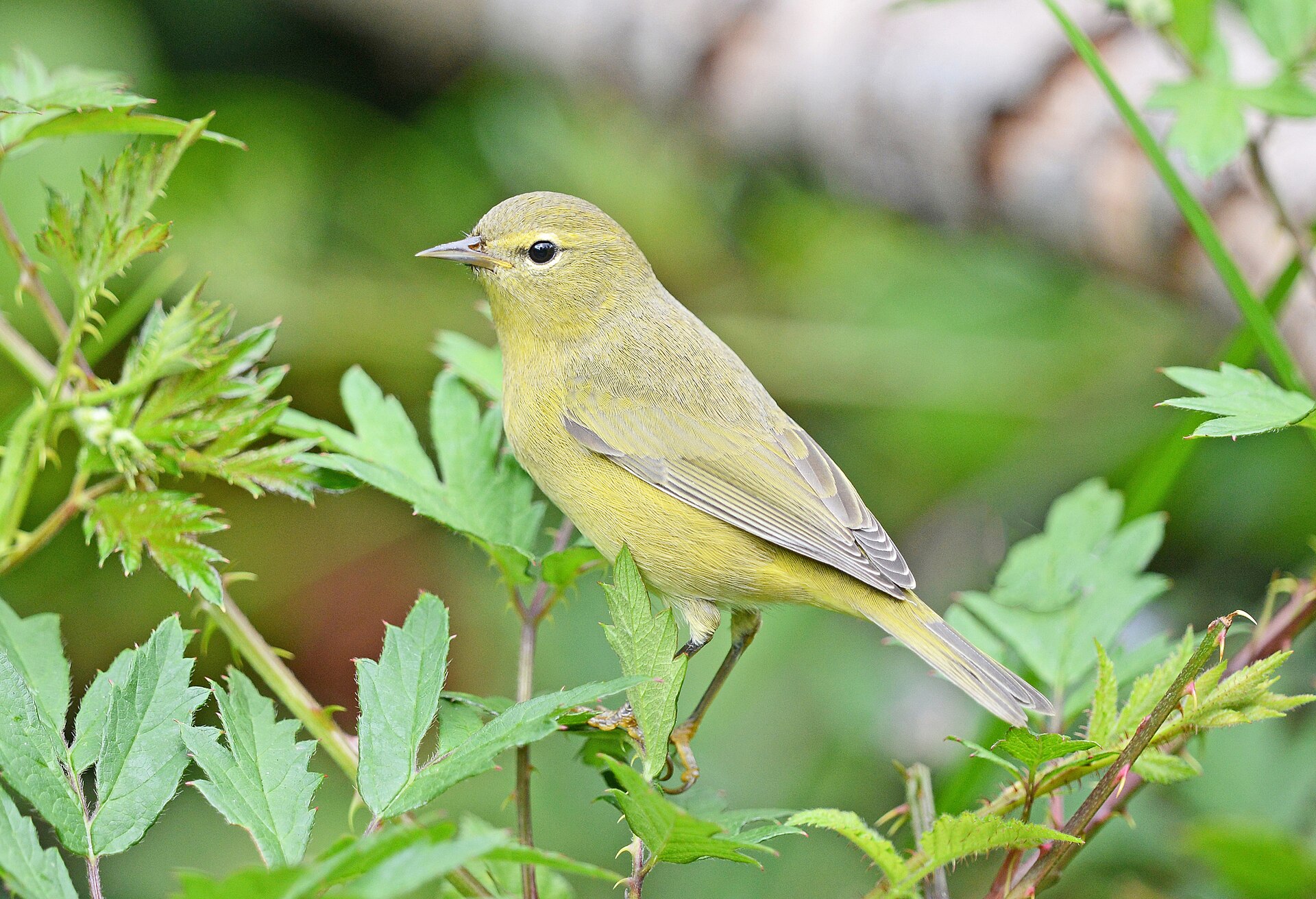
Warblers are moving through
The big mixed flocks have thinned. The ones still coming through are mostly yellow-rumped warblers, with a bright yellow patch just above the tail, and they stay latest
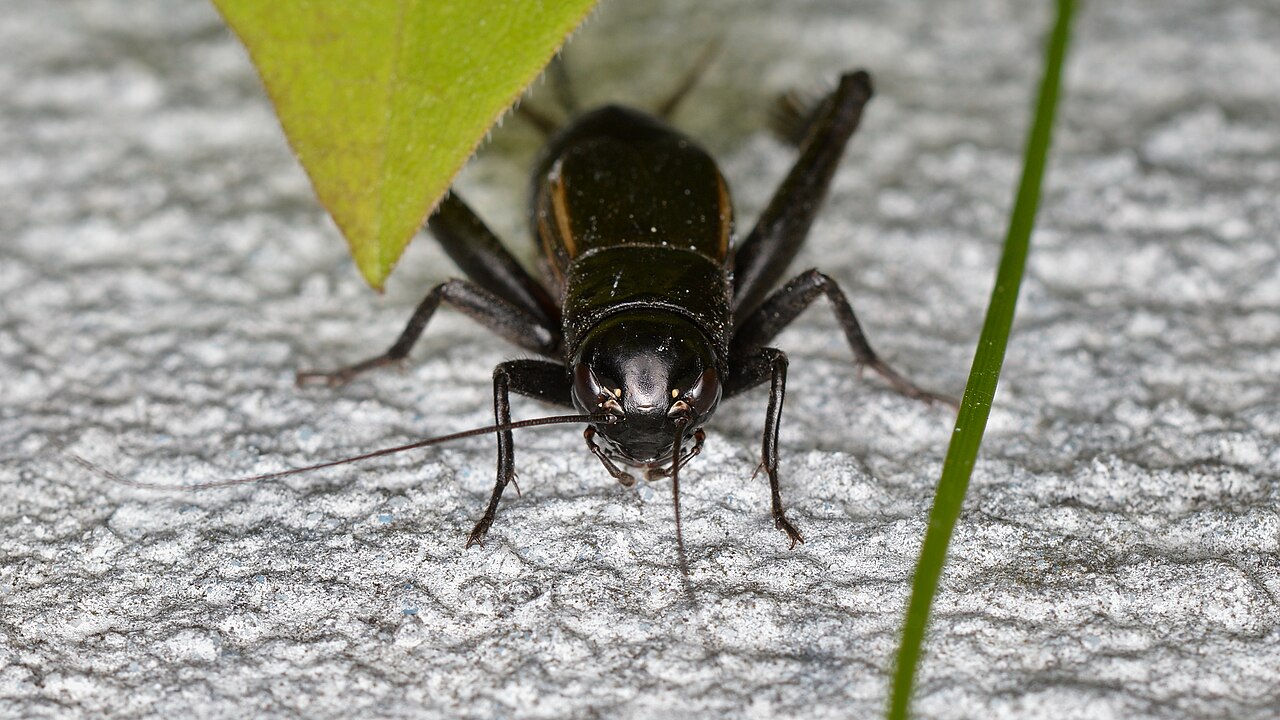
The crickets have started
No frost in this week's forecast and the nights stay mild, so the chirping carries on. Warm evenings are the loud ones
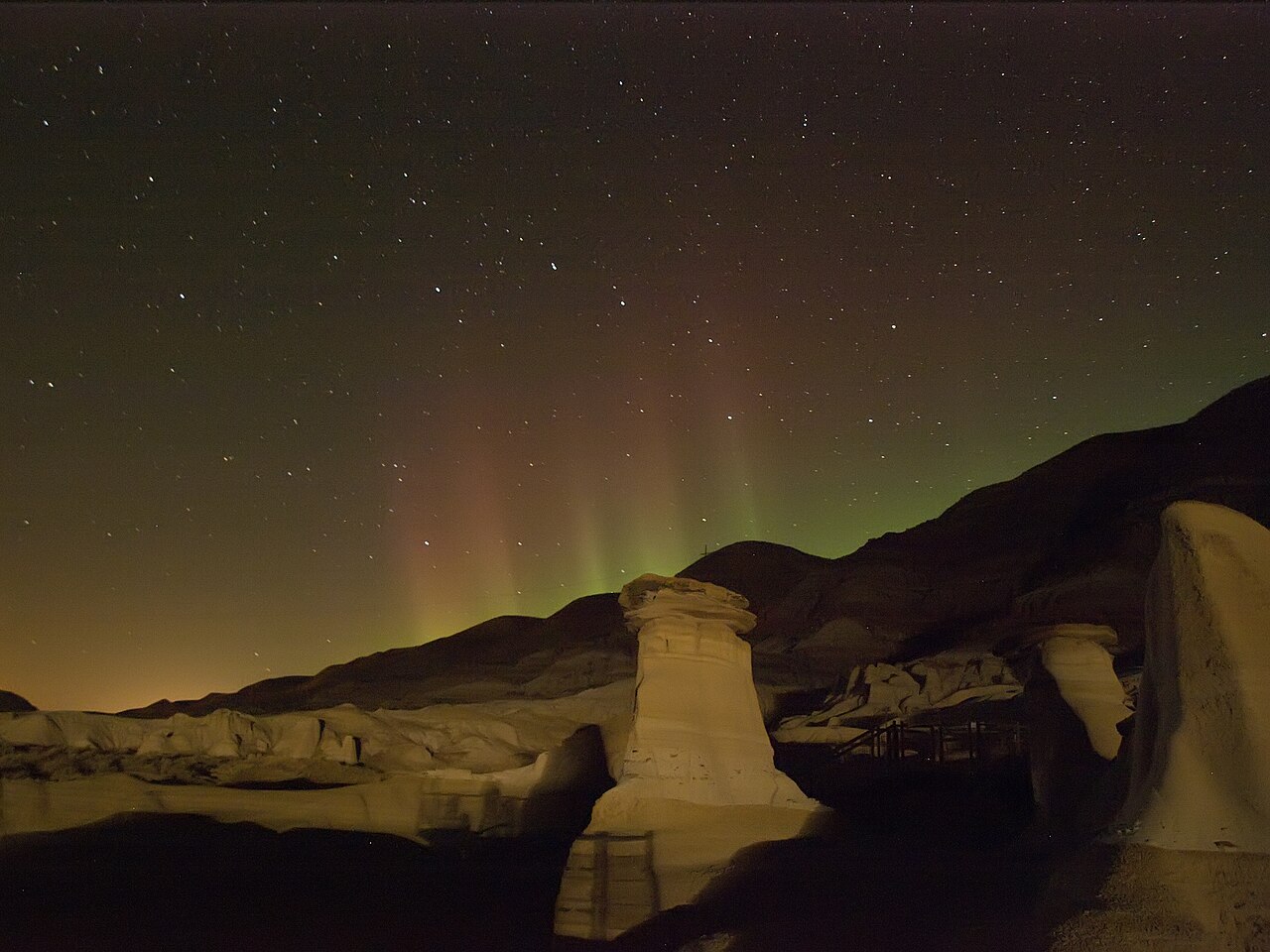
Aurora season is reopening
The long-range outlook flags Thursday to Saturday as possibly active, but the moon is full on Saturday and up most of the night