 Week of October 11 · Calgary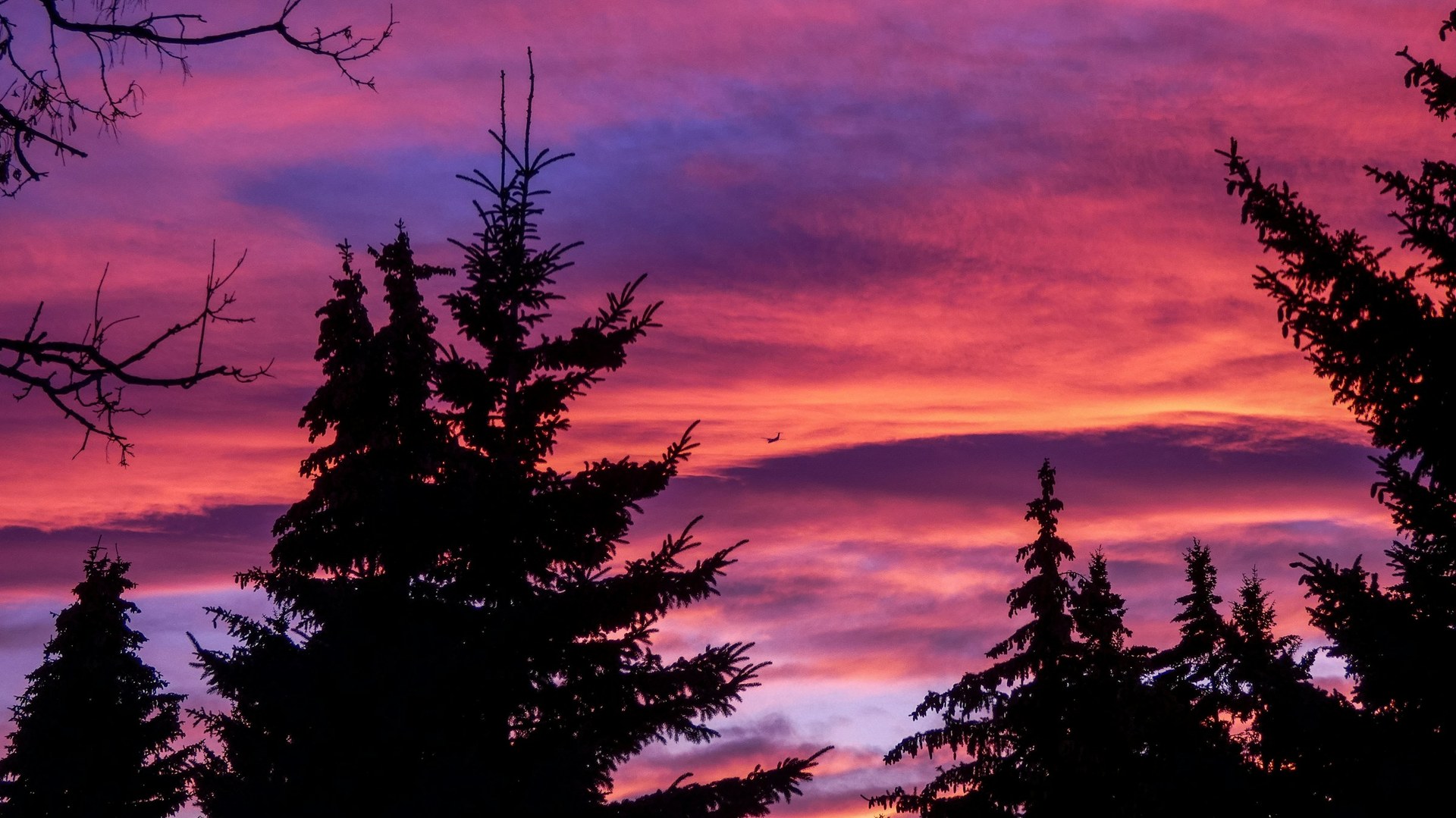
The night is longer now
September 25 is the first night since spring that is longer than the day, and it happens a few days later than the fall equinox. The moment the sun crosses the equator on September 22 is the real halfway point but we measure a day generously at both ends, which pushes the split between day and night later than the true equinox. Sunrise is timed from the instant the sun's top edge appears rather than the middle of it, and the atmosphere bends light over the horizon, so the sun is visible for a few minutes before it has truly risen and again after it has truly set. Between those two, they add about ten minutes of daylight to every date on the calendar, enough to keep the days longer than the nights for a few days after the equinox. At the equator those two effects always add more time, so the day there is never shorter than the night.
the equinox instant computed from the same model, Sep 2026
More happening around Calgary
tap for the full story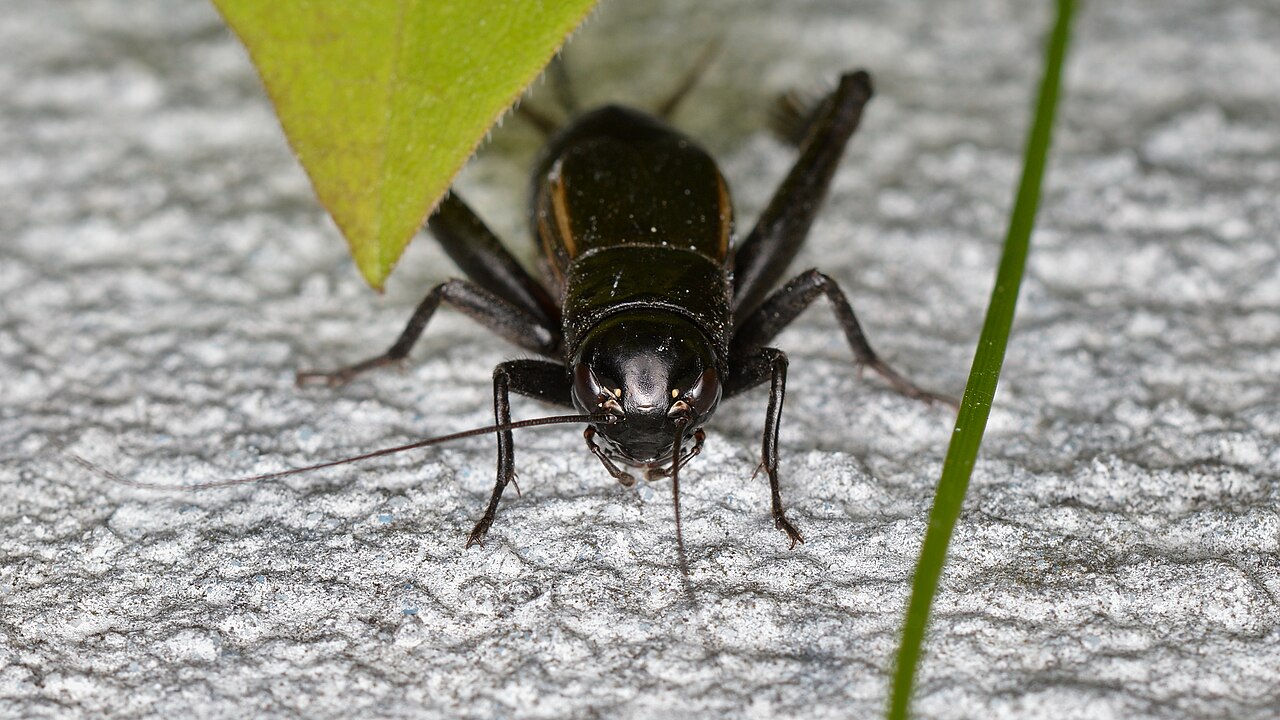
The crickets have started
That steady evening chirp that wasn't there in July? Fall field crickets have begun, the...
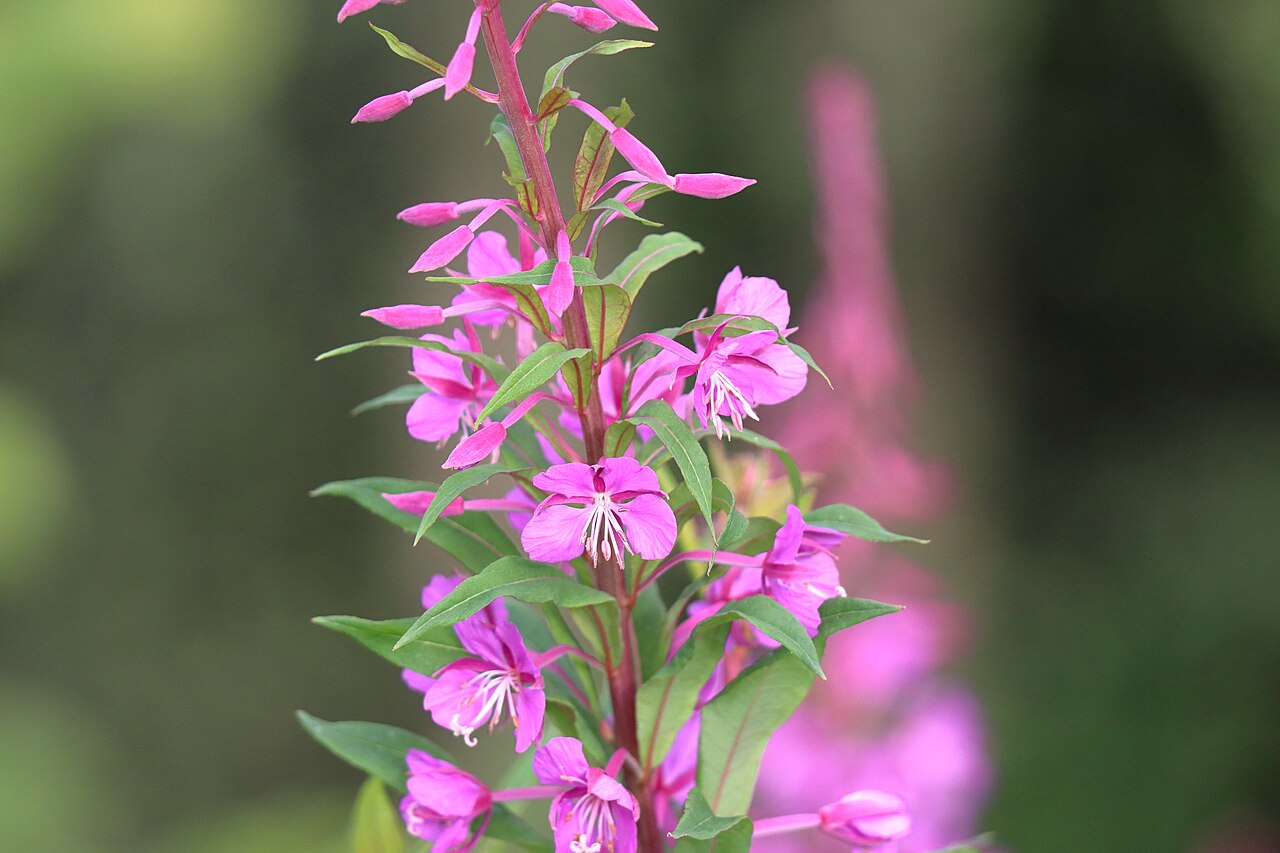
Fireweed says summer's ending
Fireweed blooms from the bottom of its spike upward, and folk wisdom says that when the last...

The first white morning
Some morning soon you'll step outside to a white film on the lawn, the car roof and the top...
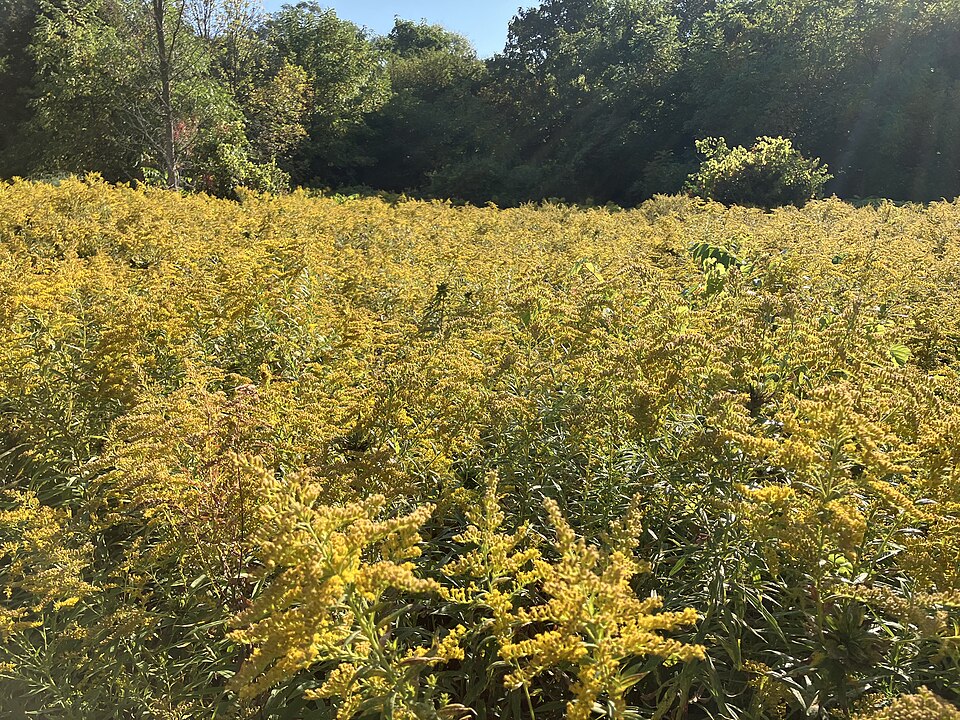
Goldenrod is at peak
The prairie's big yellow finale is on. Goldenrod is peaking in ditches, field edges, and every...
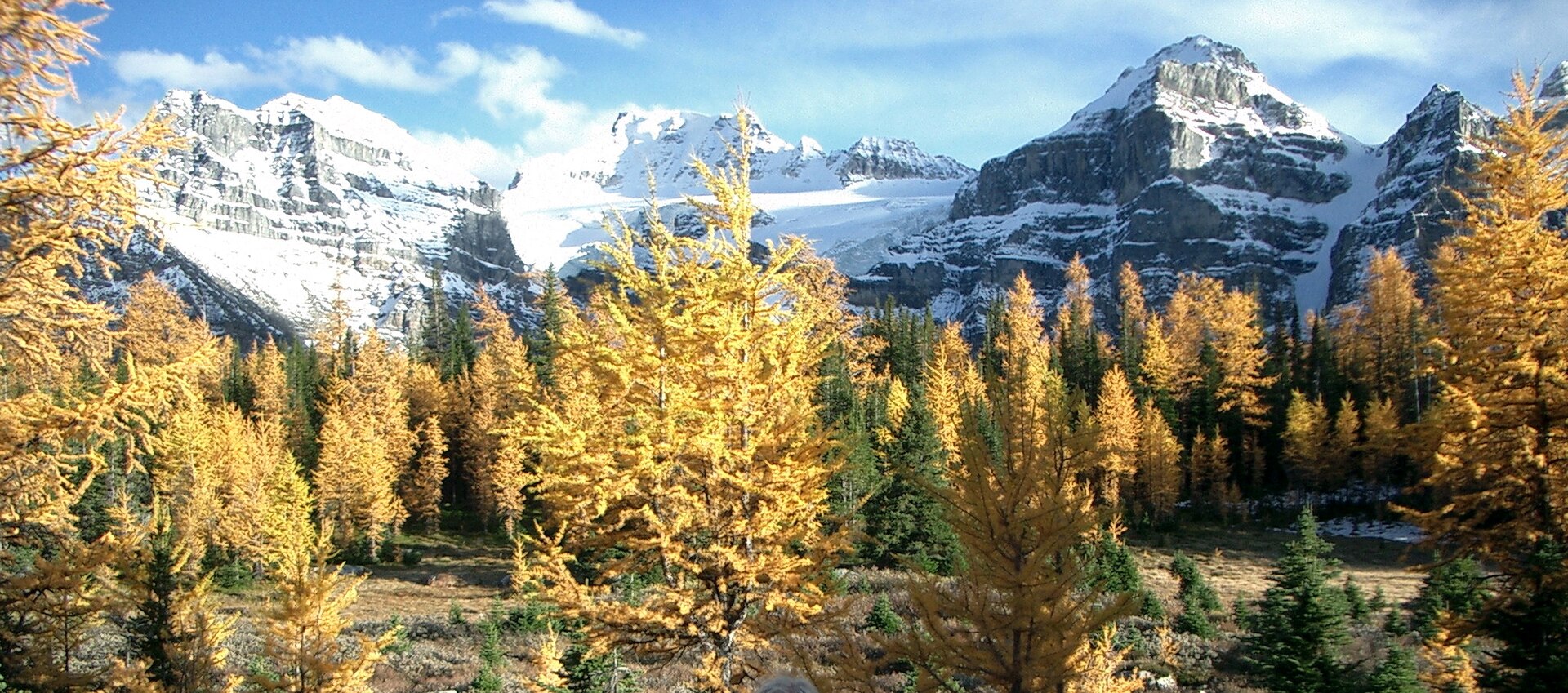
The larches turn gold
For a few weeks each fall the high slopes turn yellow and then gold, and the trees doing it are...
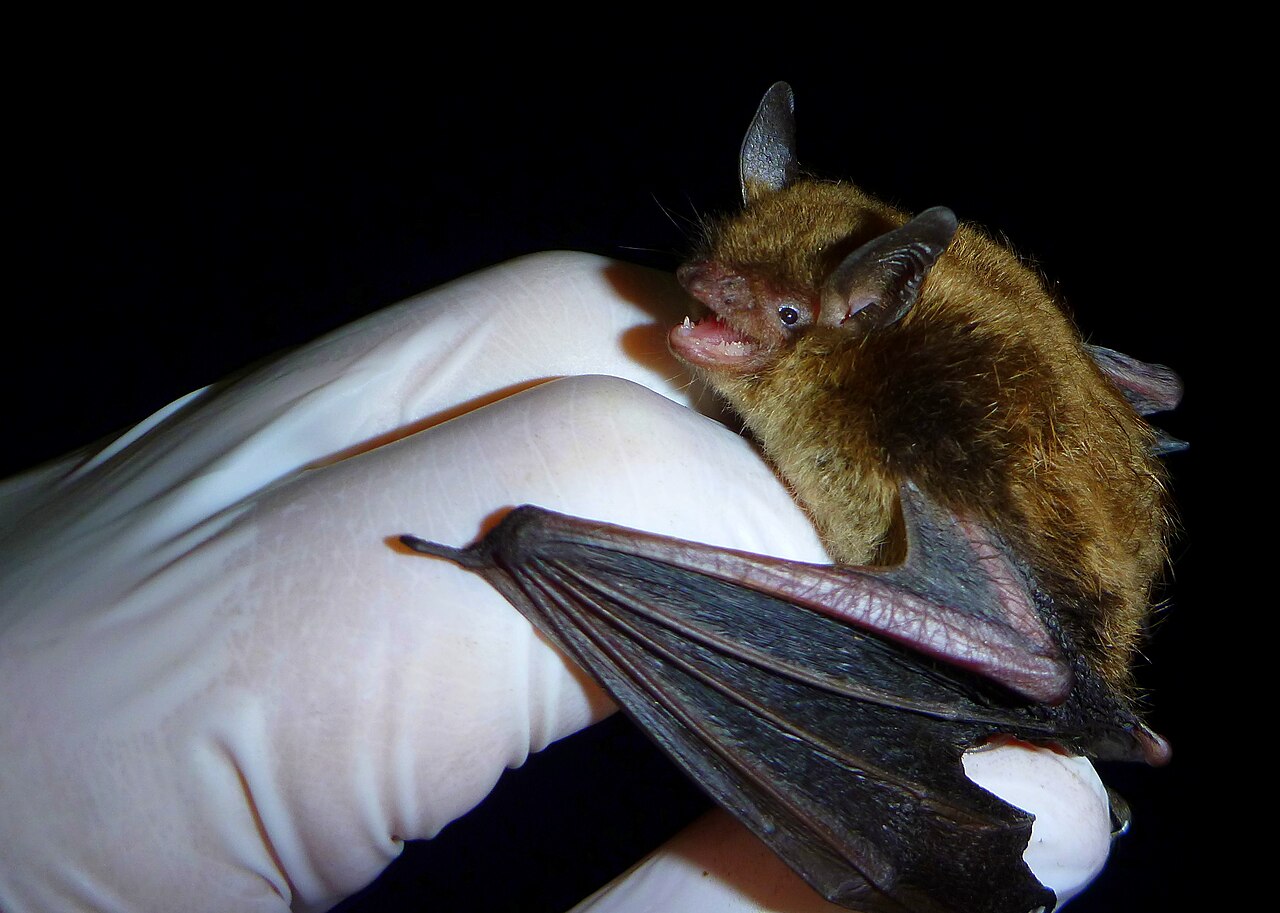
Bats over the river
August is the best bat-watching month of the year in Calgary: this summer's pups are flying...
Spotted an error? Report a correction