 Week of October 4 · Calgary
Worth stepping outside for
Happening now
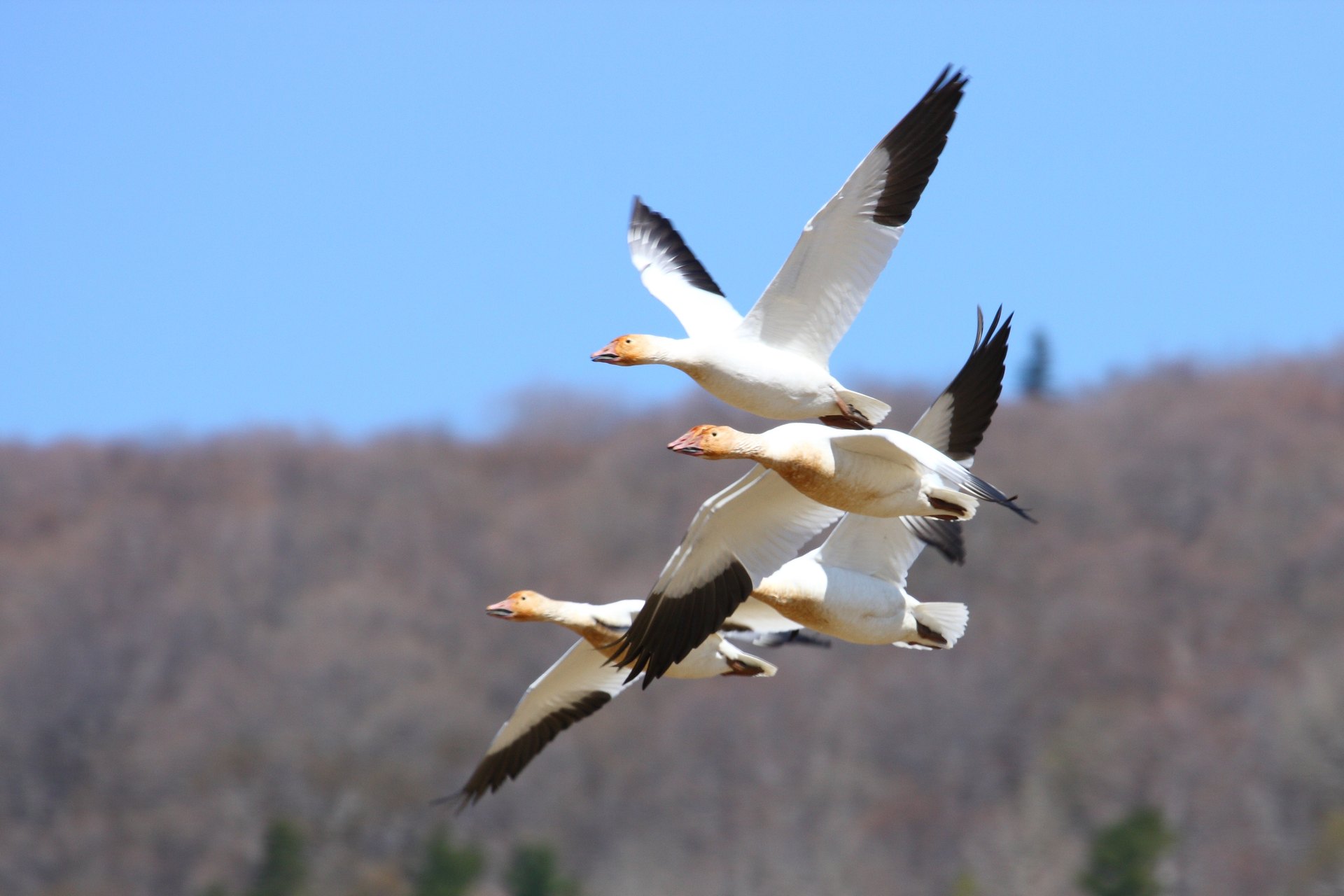
Snow geese are passing over
If you hear a high, yelping chatter somewhere overhead, look up for long wavering lines of white birds with black wingtips. Those are snow geese, on their way from Arctic nesting grounds to farm country far to the south, and the fall passage is fast: the heaviest movement fits inside about a month, often hundreds of birds at a time. A few birds in the line are dark grey with white heads, and for about two hundred years those were counted as a separate species, the blue goose (the dark form was named first, which is why the scientific name caerulescens means "bluish"). They are one species in two colours, and a young goose usually picks a mate the colour of the family that raised it. Tundra swans follow a week or so behind, bigger, all white, and higher pitched.
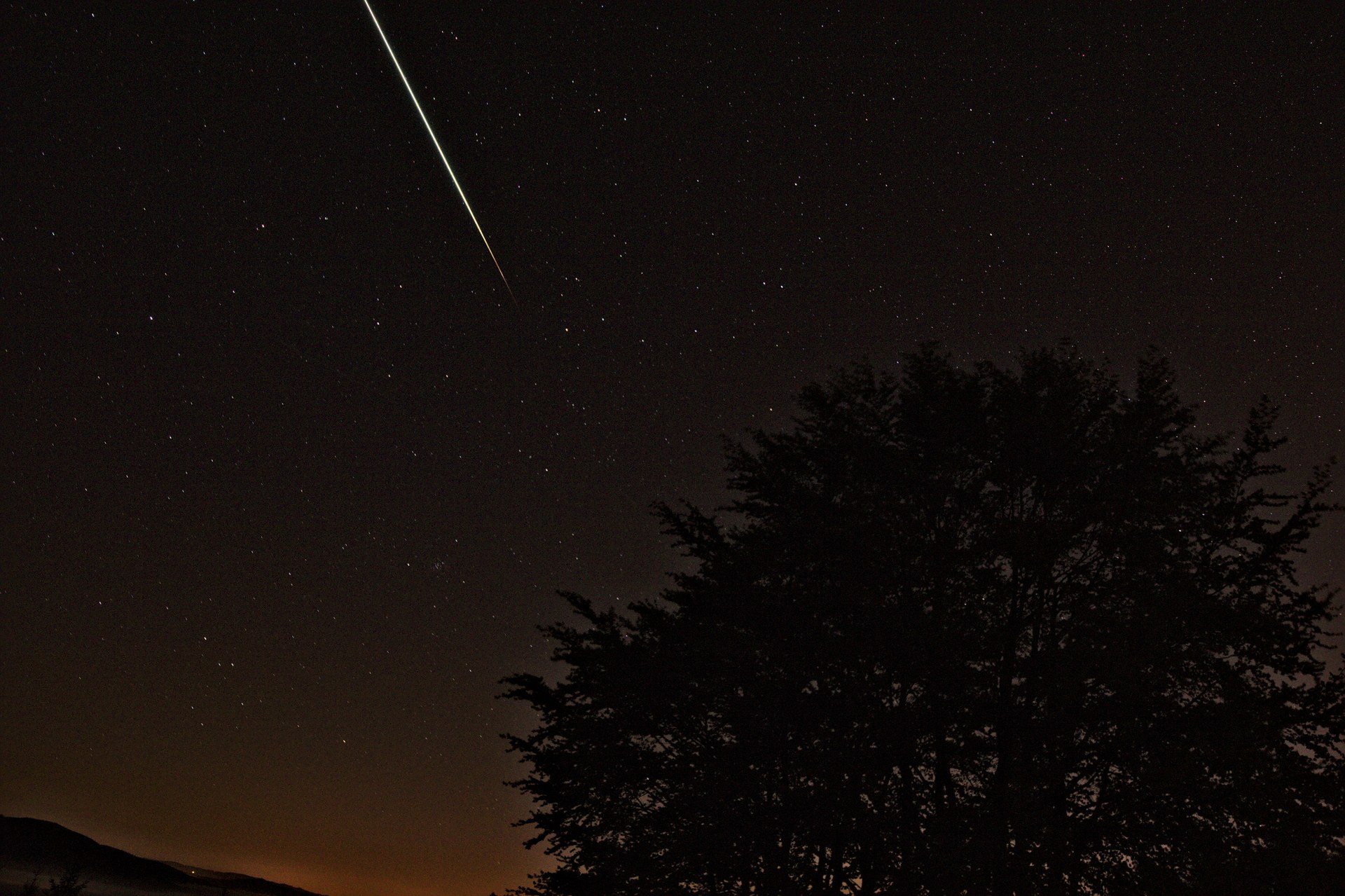
A few slow meteors after supper
This is a small shower and knowing that is half the point. Under a truly dark sky you might see four or five in an hour, and less than that from inside a town, so think of it as twenty minutes outside rather than a long show. What makes those twenty minutes worth it is when they fall. Nearly every meteor shower is best after midnight, because by then your side of the Earth has turned to face the direction the planet is travelling and meets the dust head on. This is the one shower that goes the other way: the patch of sky its meteors come from sits so far north that it never sets, it is almost straight overhead as soon as the sky goes dark, and it sinks from there all night, so the best of it is over before bedtime. They're also the slowest meteors of any shower people watch, arriving at roughly a third the speed of an August Perseid, which means they drift rather than flash and you can follow one with your eyes instead of catching it from the corner of them. The dust comes off a comet that swings past the sun every six and a half years, and most years the Earth crosses a thin part of the trail it leaves behind. A handful of times in the last hundred years it has crossed a thick part instead, and the people who were outside that night counted hundreds in an hour.
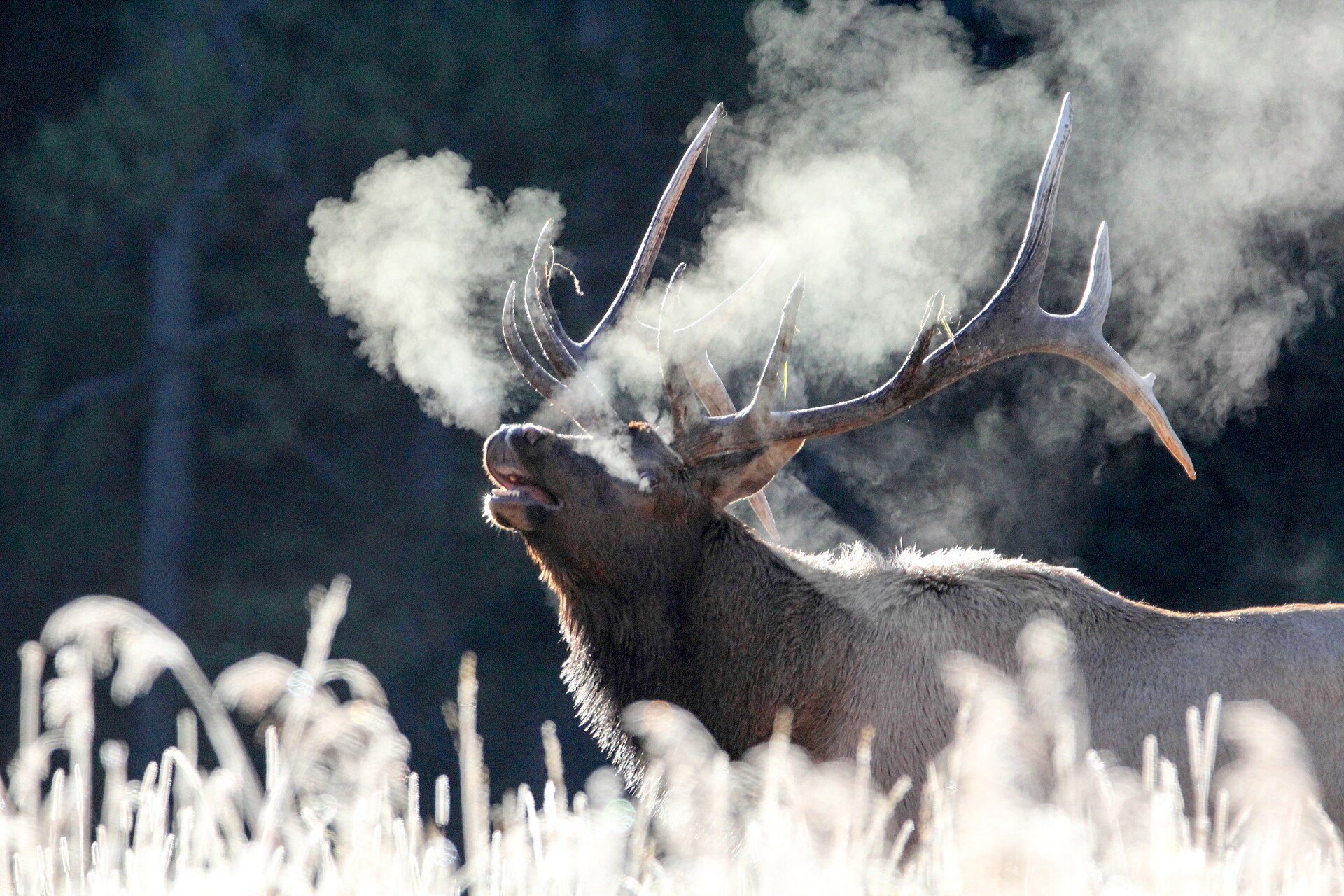
The elk have started bugling
From the first days of September the mountain valleys start to echo. Bull elk are in rut, and the bugle is how a bull advertises himself: a low bellow that climbs into a thin, carrying whistle and then falls away into a run of grunts. It is an odd sound to come out of a 300 kg animal, and the reason is that he is making two sounds at once. Researchers who recorded wapiti bugles found two independent sound sources inside a single call, a low roar near 145 Hz and a whistle above 1400 Hz, and suggested the low part advertises his size to rivals nearby while the high part carries his presence down the length of the valley. Bugling peaks through late September and is mostly finished by the middle of October.
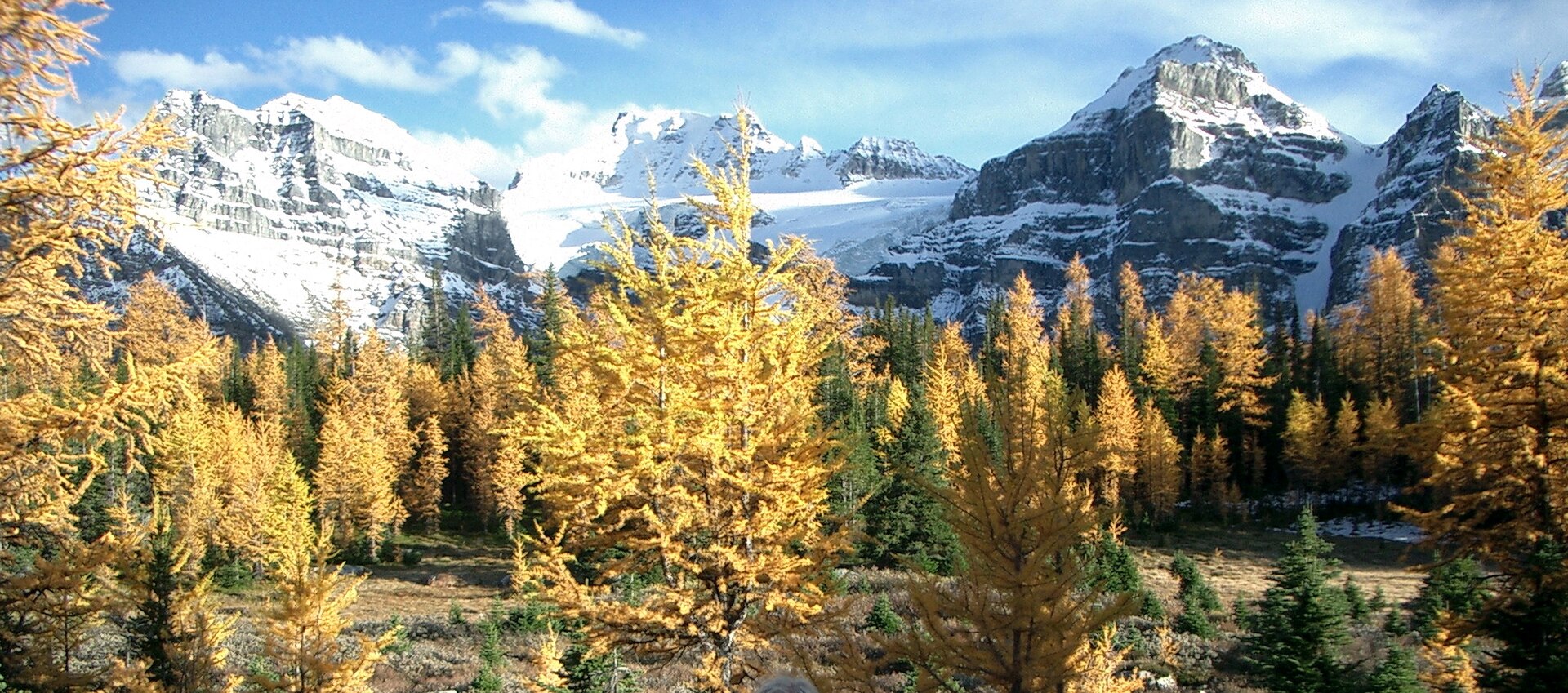
The larches turn gold
For a few weeks each fall the high slopes turn yellow and then gold, and the trees doing it are conifers. Subalpine larch is the one needled tree up there that drops everything, and that surrender is why it can live where it does. Holding needles through an alpine winter means losing water you cannot replace while your roots are frozen, so the larch stops trying. The trade buys ground no evergreen can hold, and larches stand in pure groves above the last spruce and fir, in country that would otherwise be bare tundra. They get old doing it, with one Alberta specimen ring-counted at 838 years. The gold does not linger, so go the week you hear it has started.
Also this week
tap for the full story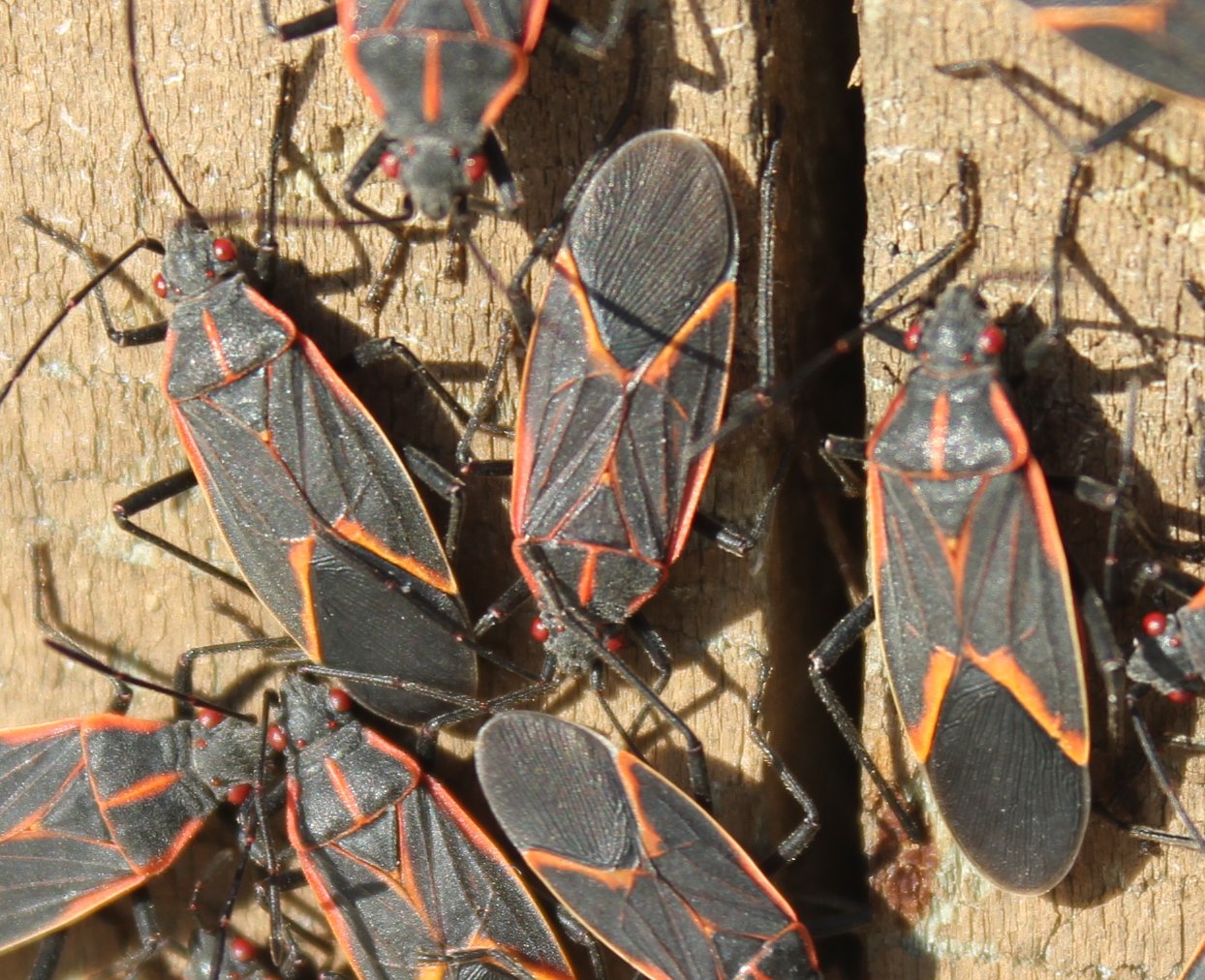
Red and black on warm walls
A warm week suits them. Monday is forecast to reach 24 and Tuesday 21, and the south and west walls will be busy from the middle of the afternoon
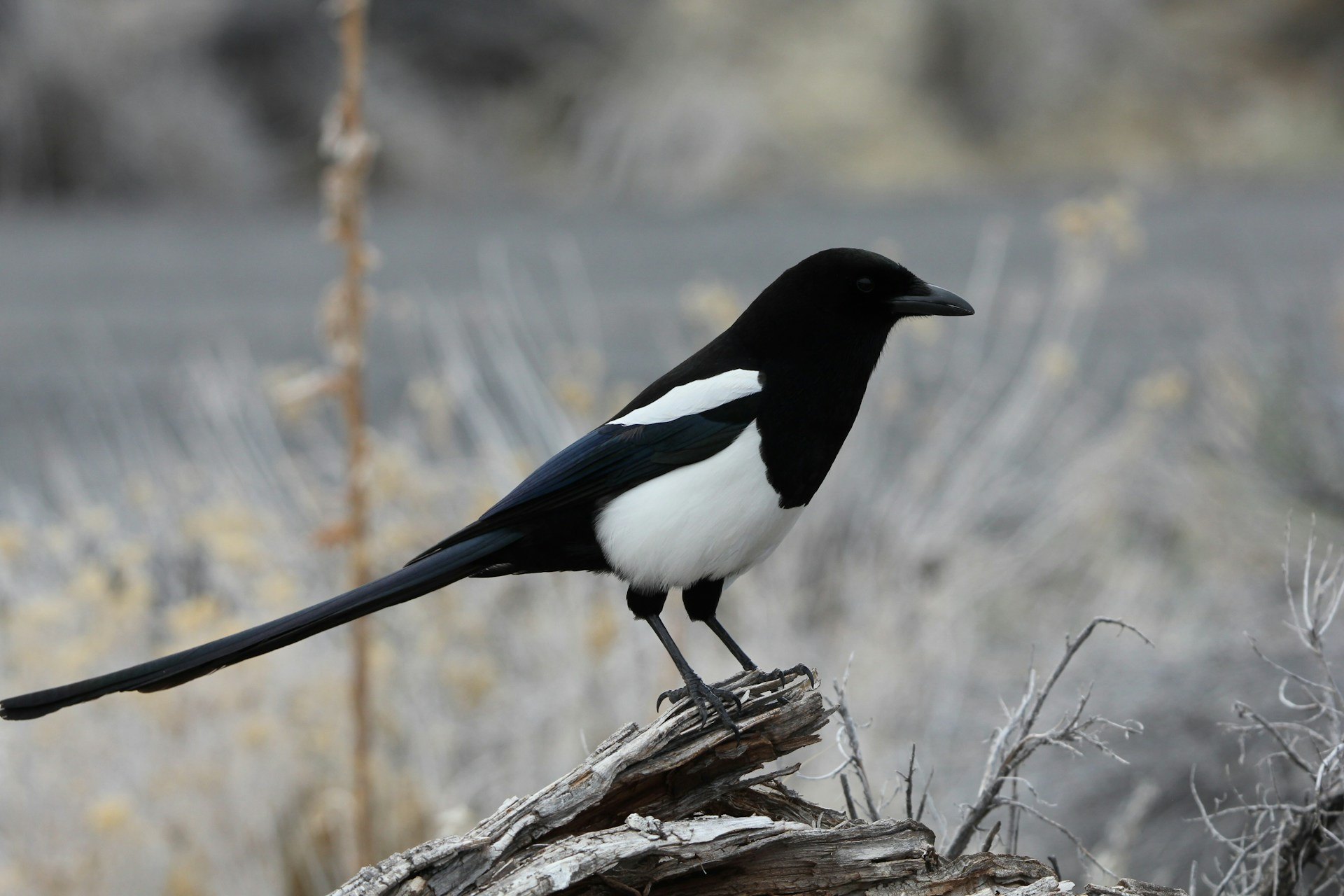
Where the magpies go at dusk
Sunset slips before 7pm on Thursday and the evening flight to the roost moves earlier with it. Look up in the half hour before the light goes
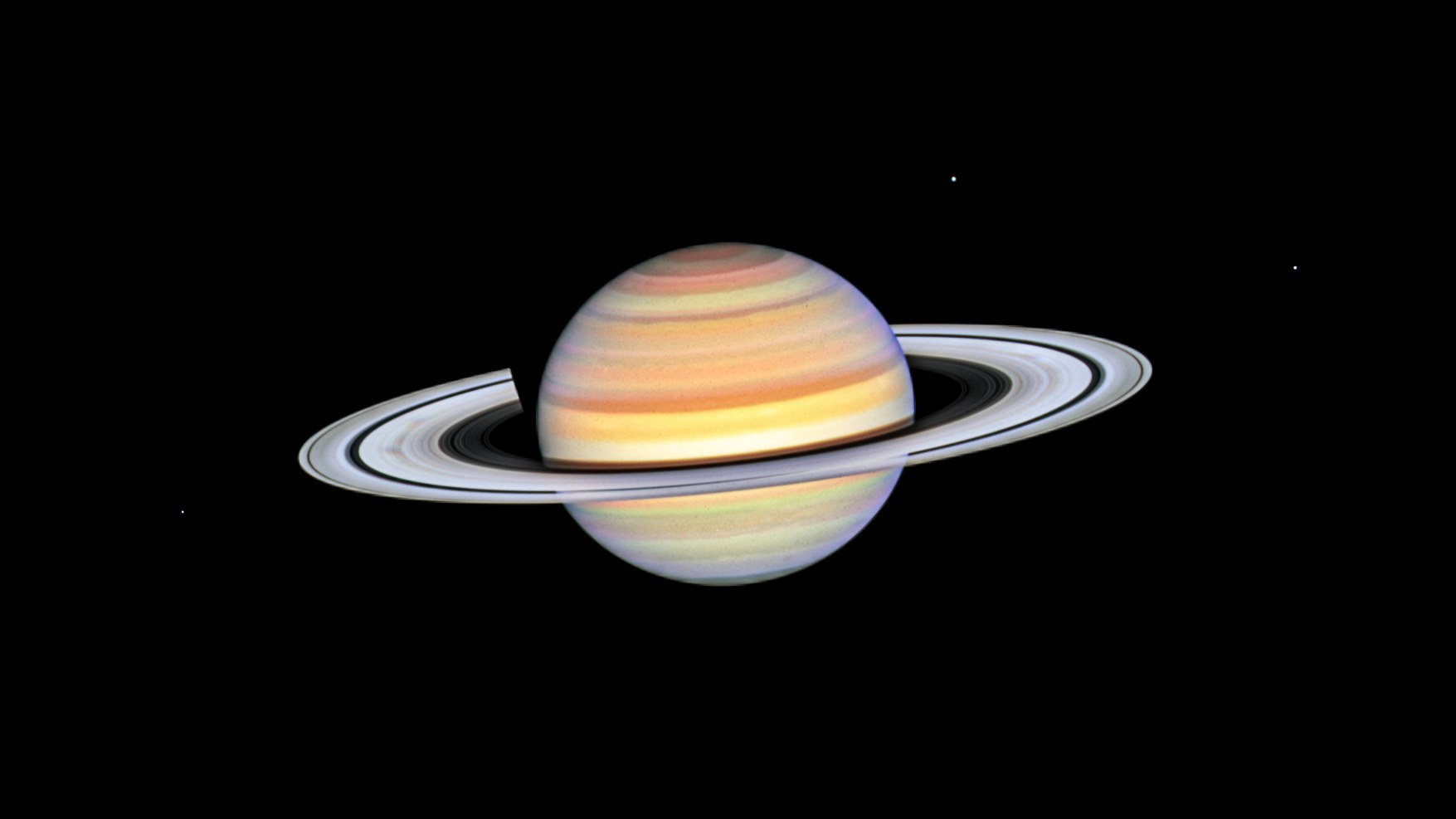
That bright light is Saturn
It is as bright as it gets this year and it is already up when the sky goes dark. The evenings are moonless all week, so it is the steady light low in the southeast with nothing near it
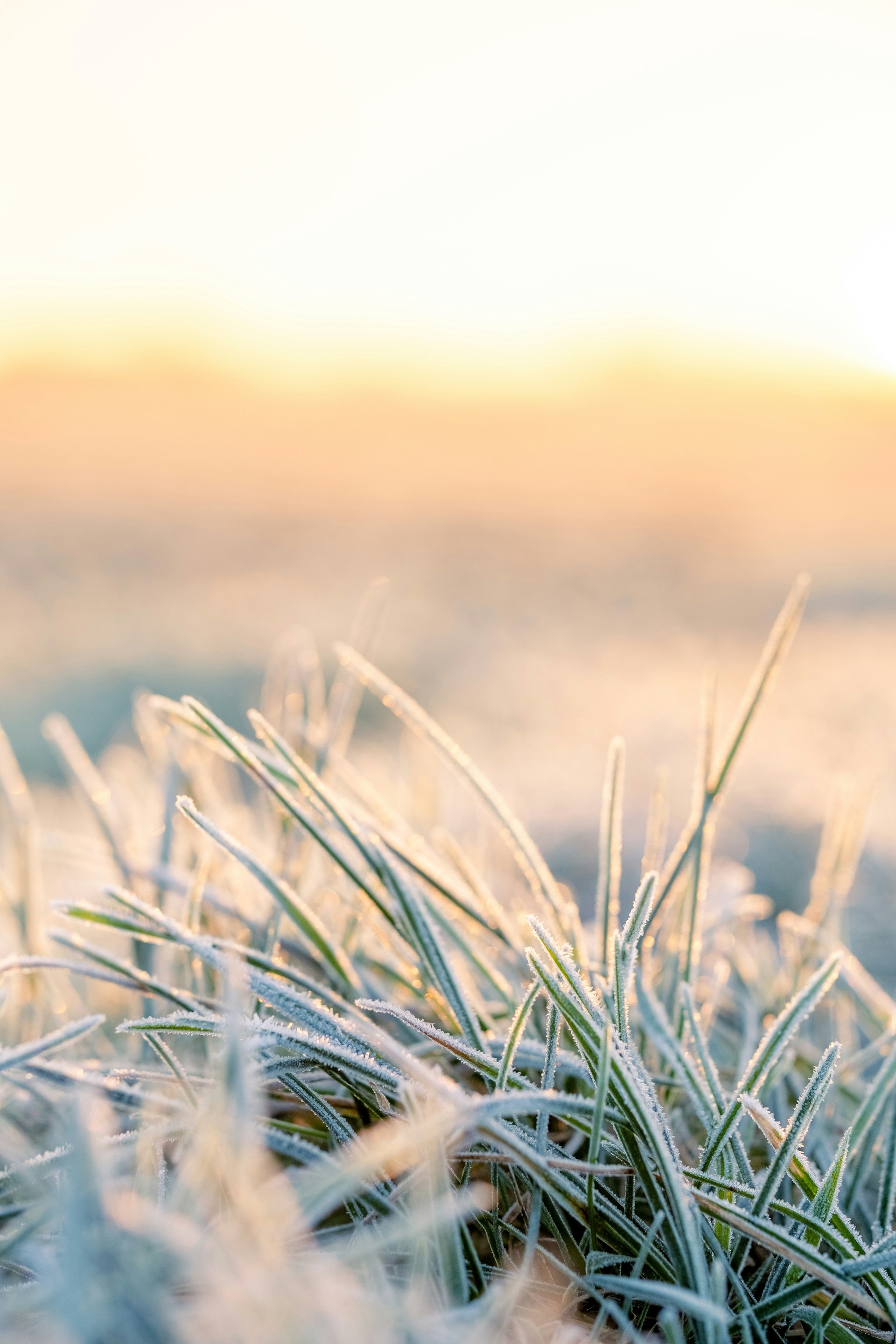
The first white morning
A mild stretch follows it. Nothing below zero is forecast in the city from Sunday to Friday, and the cold comes back at the weekend with nights near freezing
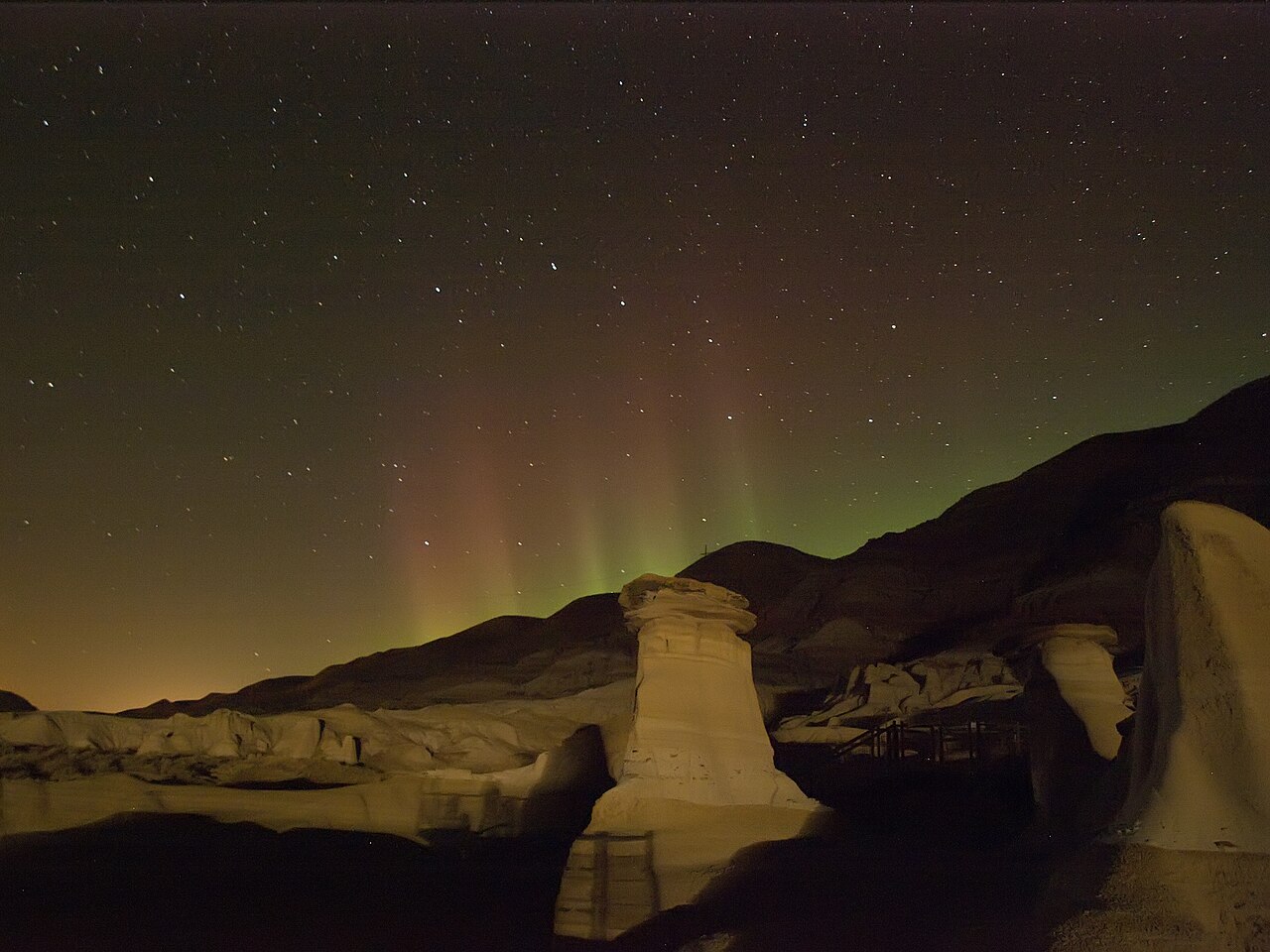
Aurora season is reopening
The first days of the week are forecast a little unsettled, still short of what Calgary needs. There is no moon in the evening all week, which is as dark as October gets