 Week of October 11 · Calgary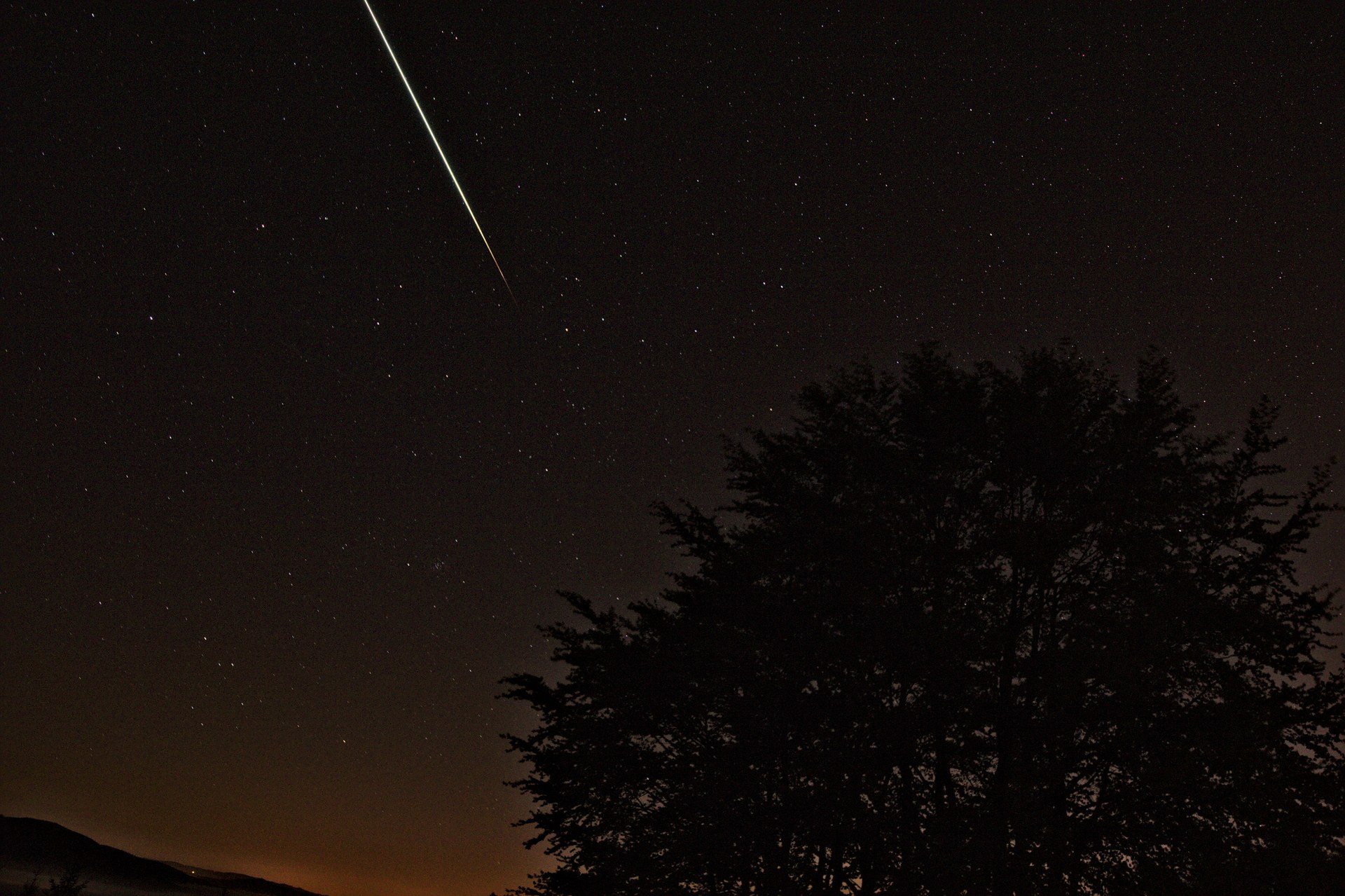
A few slow meteors after supper
This is a small shower and knowing that is half the point. Under a truly dark sky you might see four or five in an hour, and less than that from inside a town, so think of it as twenty minutes outside rather than a long show. What makes those twenty minutes worth it is when they fall. Nearly every meteor shower is best after midnight, because by then your side of the Earth has turned to face the direction the planet is travelling and meets the dust head on. This is the one shower that goes the other way: the patch of sky its meteors come from sits so far north that it never sets, it is almost straight overhead as soon as the sky goes dark, and it sinks from there all night, so the best of it is over before bedtime. They're also the slowest meteors of any shower people watch, arriving at roughly a third the speed of an August Perseid, which means they drift rather than flash and you can follow one with your eyes instead of catching it from the corner of them. The dust comes off a comet that swings past the sun every six and a half years, and most years the Earth crosses a thin part of the trail it leaves behind. A handful of times in the last hundred years it has crossed a thick part instead, and the people who were outside that night counted hundreds in an hour.
JPL Horizons, Calgary topocentric, for the Moon
sunset and astronomical twilight computed locally and checked against Open-Meteo sun times
More happening around Calgary
tap for the full story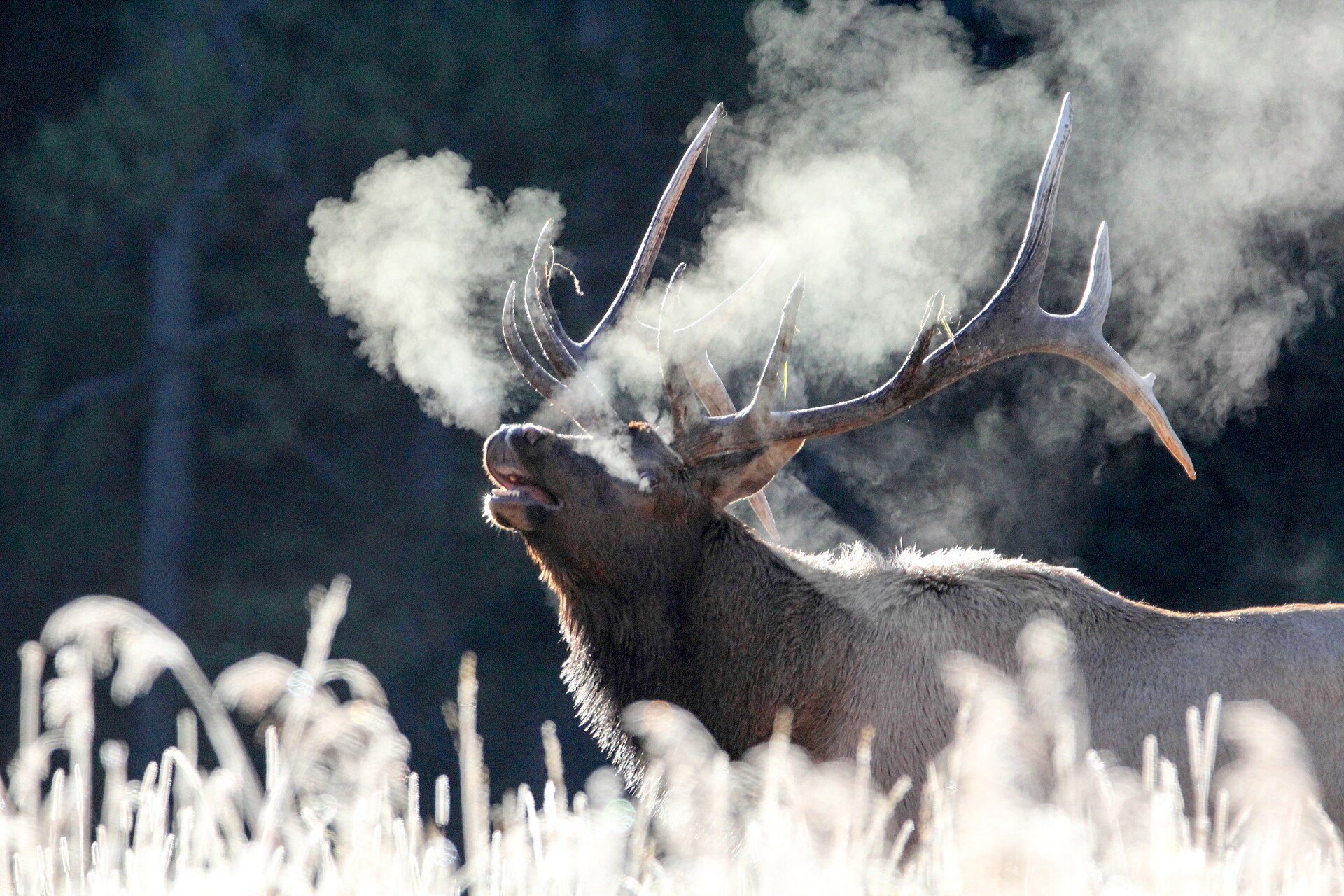
The elk have started bugling
From the first days of September the mountain valleys start to echo. Bull elk are in rut, and...
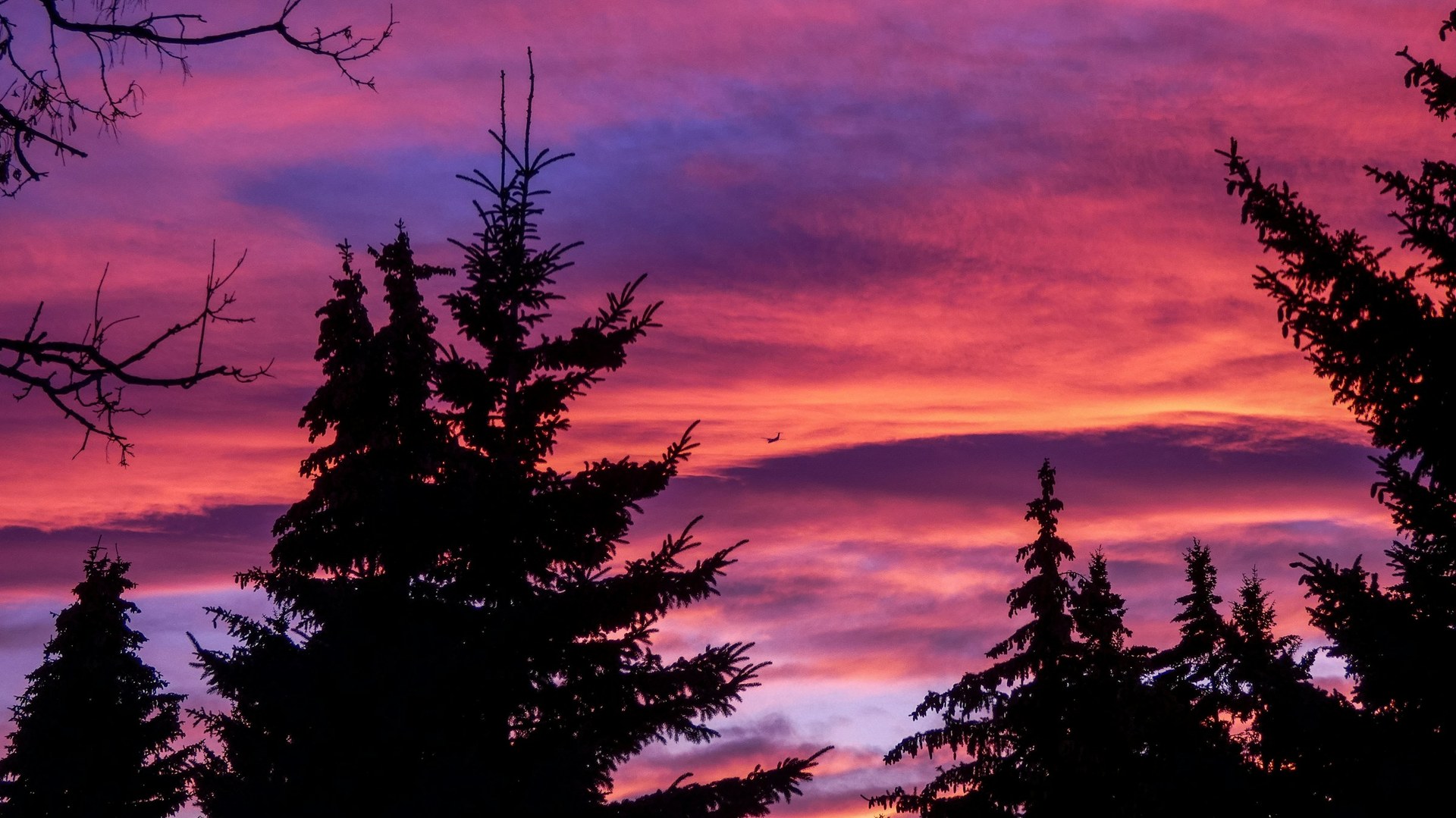
The night is longer now
September 25 is the first night since spring that is longer than the day, and it happens a few...
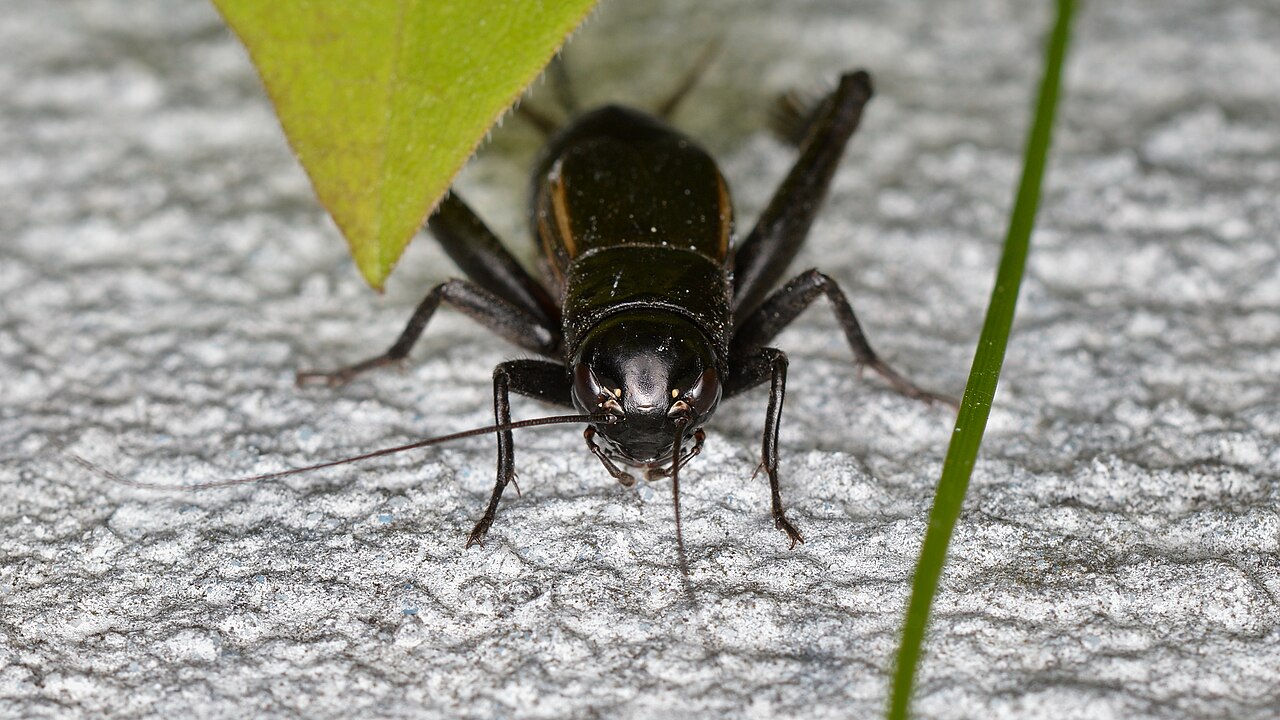
The crickets have started
That steady evening chirp that wasn't there in July? Fall field crickets have begun, the...
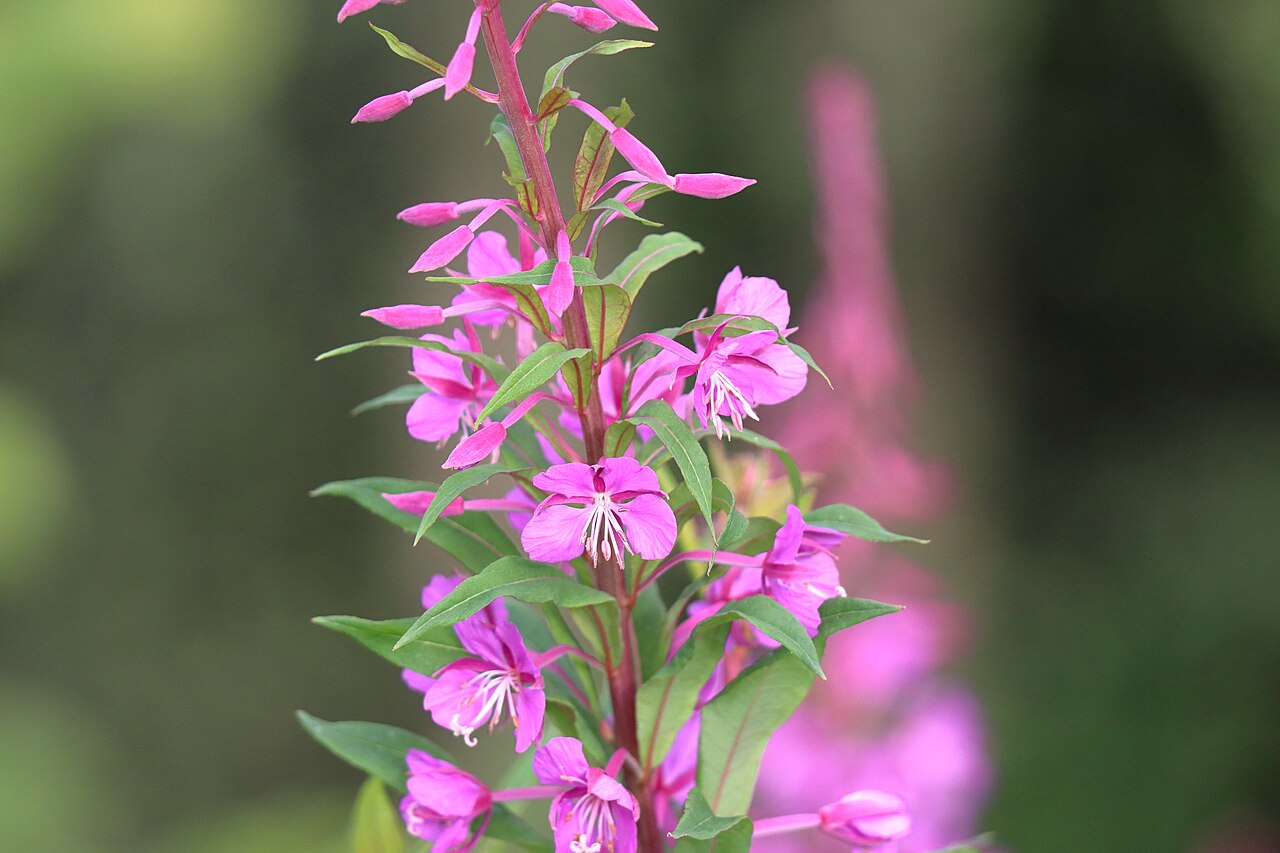
Fireweed says summer's ending
Fireweed blooms from the bottom of its spike upward, and folk wisdom says that when the last...
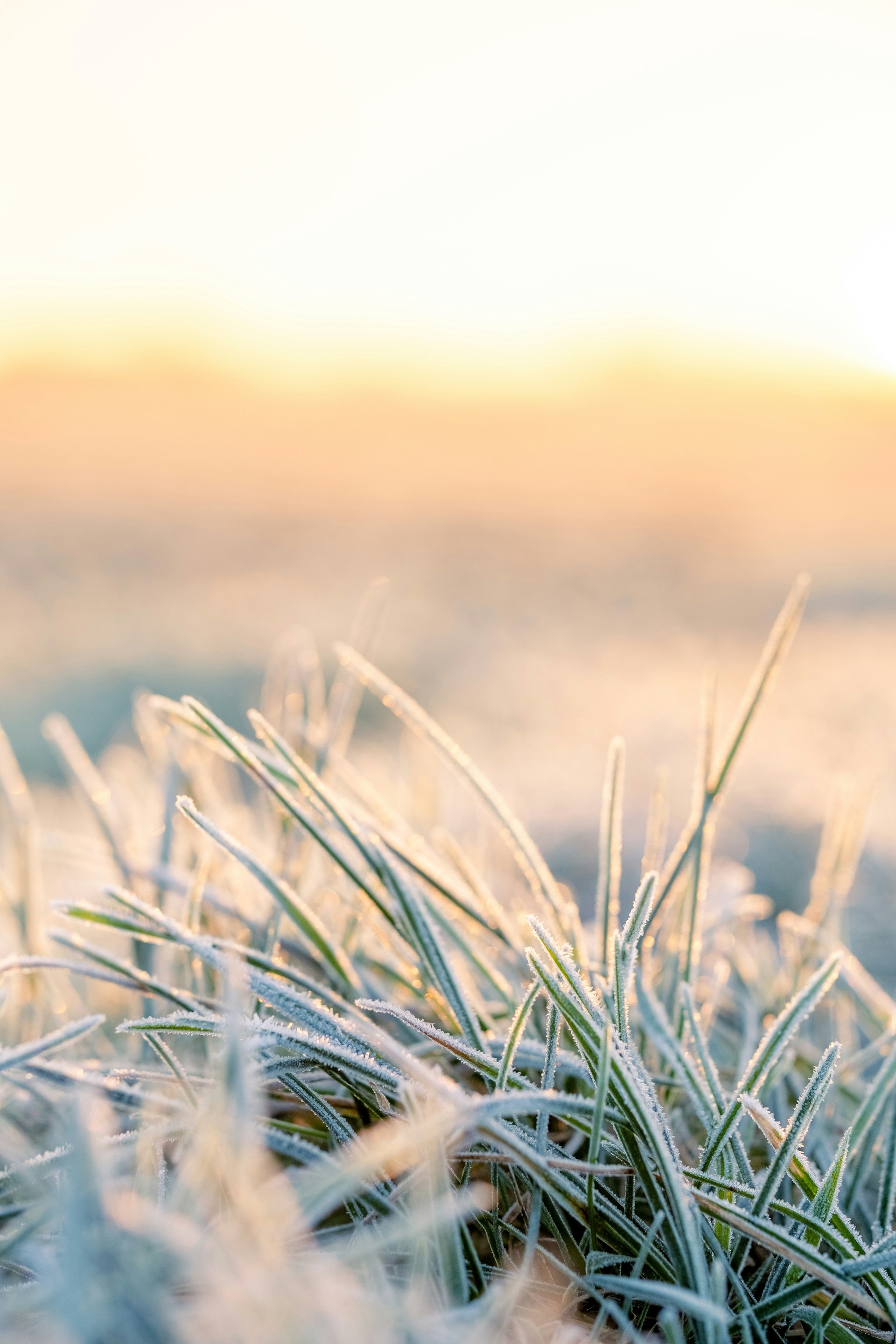
The first white morning
Some morning soon you'll step outside to a white film on the lawn, the car roof and the top...
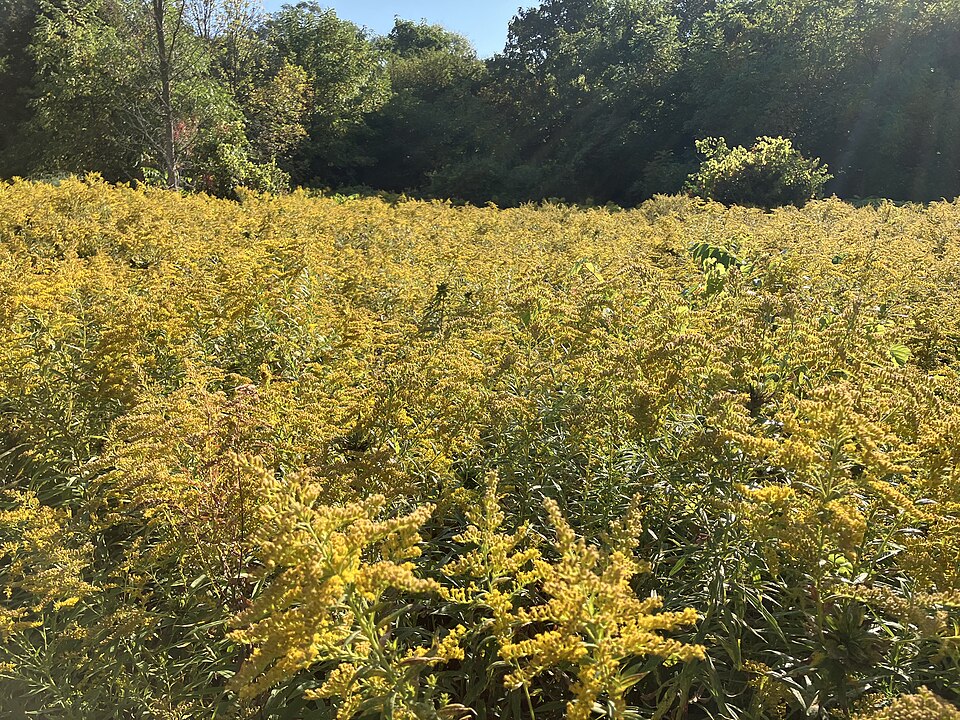
Goldenrod is at peak
The prairie's big yellow finale is on. Goldenrod is peaking in ditches, field edges, and every...
Spotted an error? Report a correction